In short: Bill “Bojangles” Robinson (1878 to 1949) was an American tap dancer who moved tap up onto the toes, made light and precise footwork the standard, and became famous for his stair dance. He rose through vaudeville to Broadway in Blackbirds of 1928 and to Hollywood, where he danced with Shirley Temple. National Tap Dance Day, 25 May, is held on his birthday.
Before Bill Robinson, much stage tap was flat-footed and frantic. Robinson danced high on his toes, kept his upper body calm and made every sound clear, so the rhythm seemed to come from nowhere. He became one of the best-paid Black entertainers of his era, the first to dance with Shirley Temple on screen, and a legend in Harlem. He also worked inside a system that confined him to stereotyped roles, and his legacy carries both stories.
This profile covers his early life, the style he created, his stage and film career, and why the United States marks National Tap Dance Day on his birthday. Compare him with other stars of film and stage dance, such as Eleanor Powell and the choreographer Jack Cole.
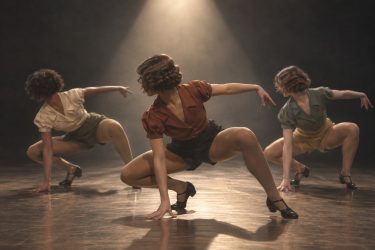
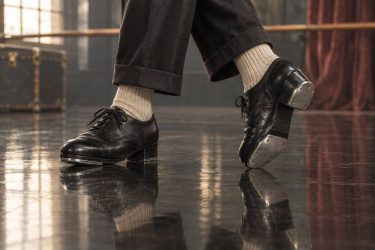
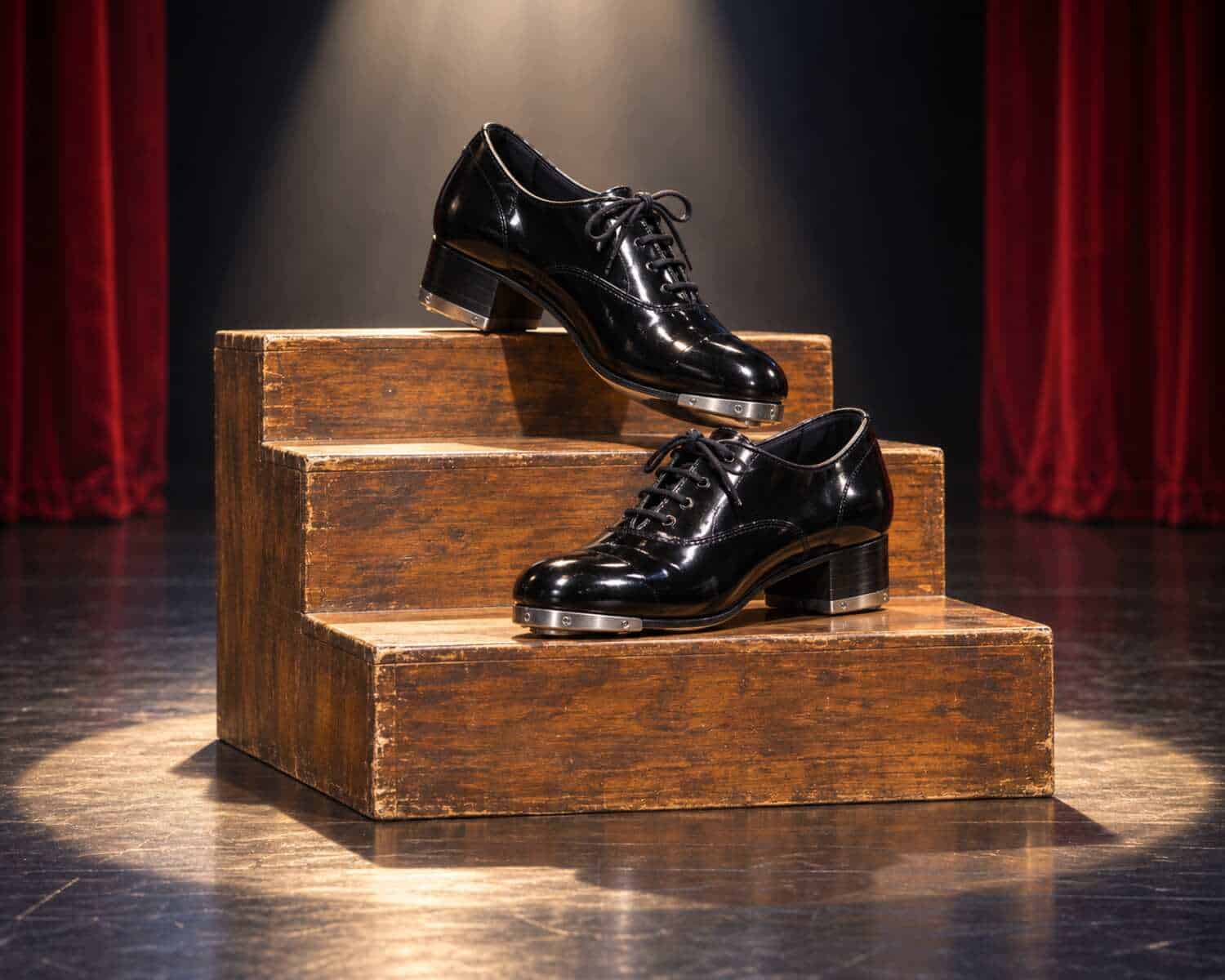
Some terms first. Tap is a dance form in which metal plates on the shoes make the dancer a percussionist. Vaudeville was the variety theatre circuit that dominated American entertainment from the 1880s to the 1930s. A revue is a stage show of songs, dances and sketches without a single plot.
Early life in Richmond
Robinson was born Luther Robinson on 25 May 1878 in Richmond, Virginia. Britannica notes that his parents died when he was a child, that he was raised by his grandmother and that he had little schooling. According to the Kennedy Center, he began dancing in local saloons at six and was a fixture on the vaudeville circuit two years later. He picked up the nickname “Bojangles” as a child, and even he was not sure where it came from.
Vaudeville and the solo act
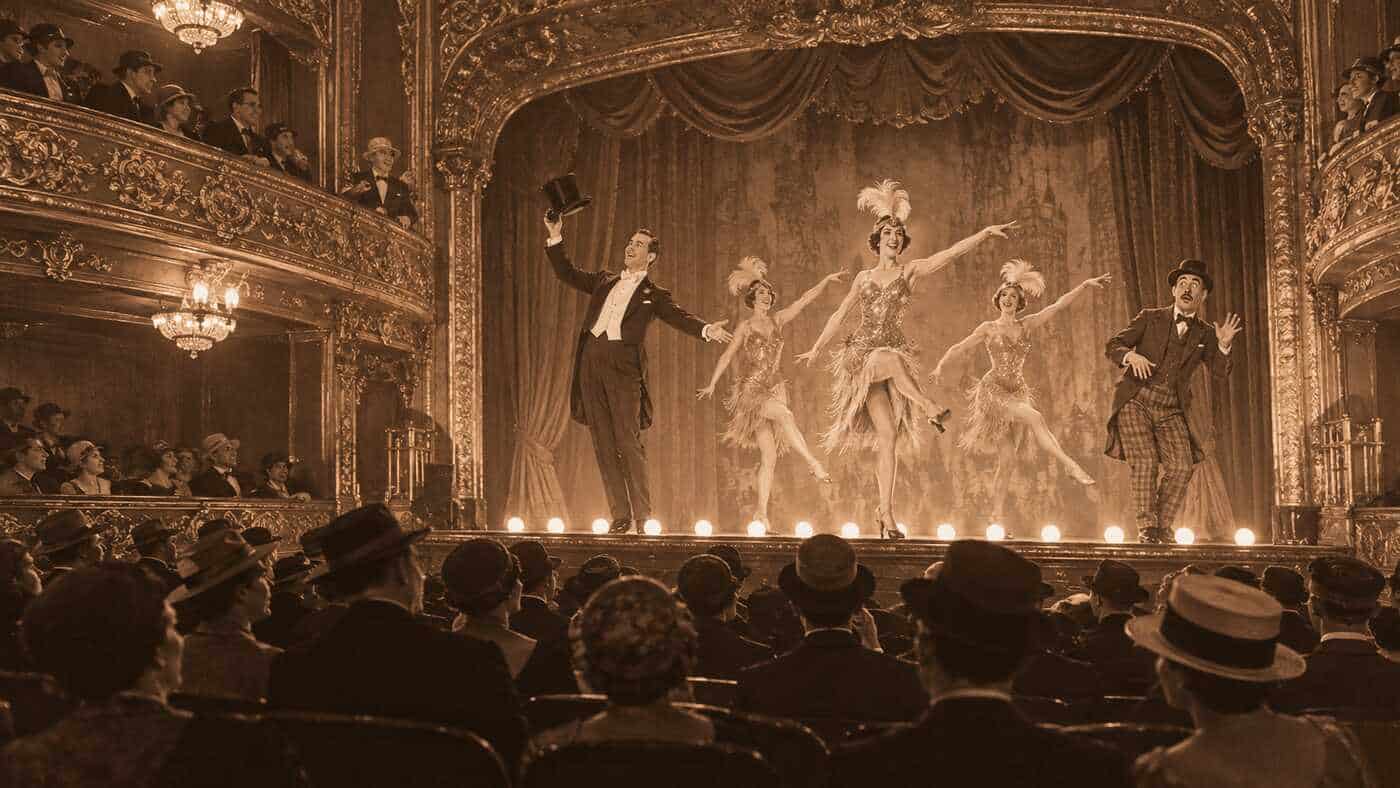
For years Robinson worked in partnerships, because at the time Black dancers on the white vaudeville circuit appeared almost only in pairs. In 1905 he teamed up with the agent Marty Forkins, who let him build a solo act. Robinson toured the United States and Europe and built a reputation as one of the finest dancers of the day.
What made Robinson’s style different?
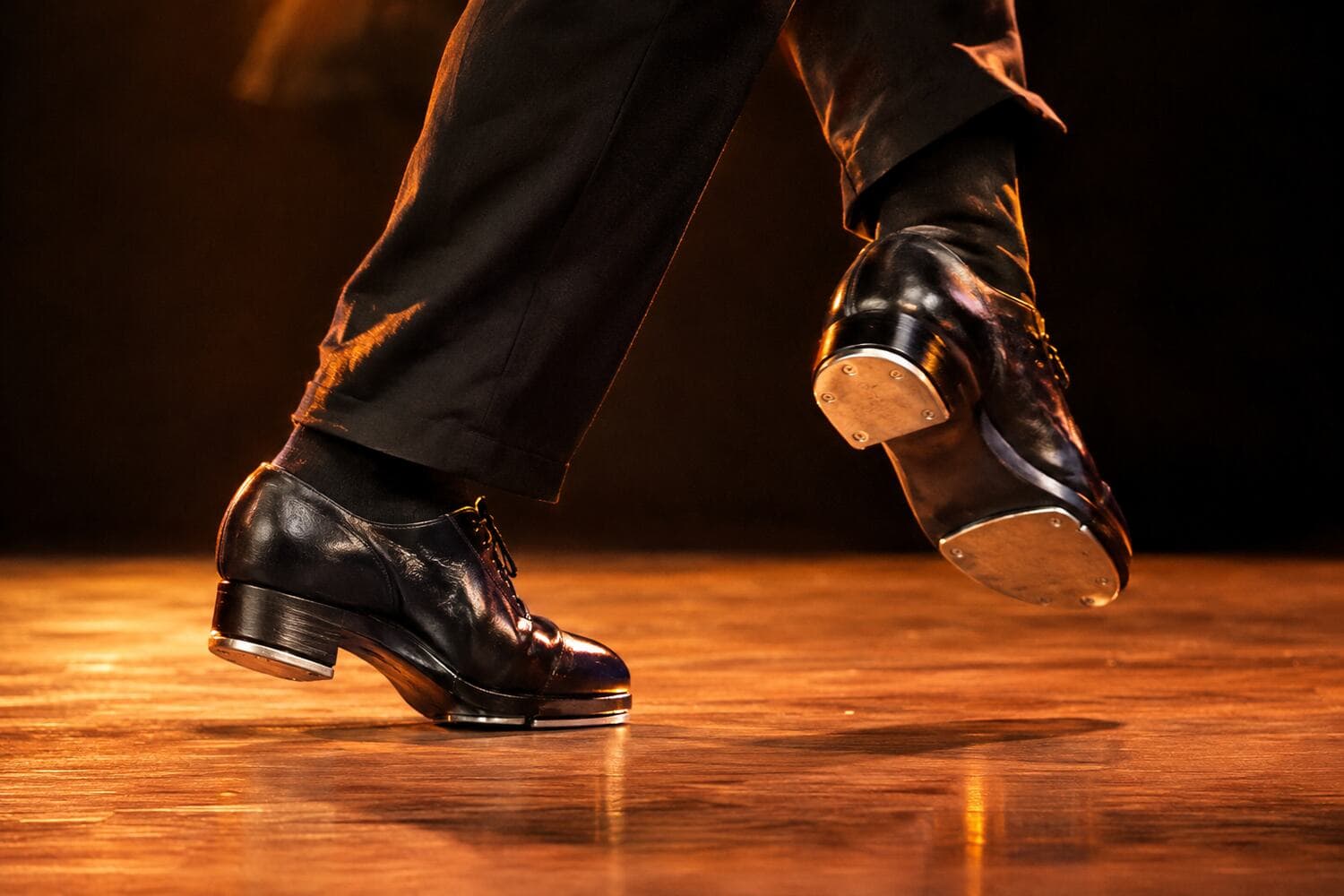
The Kennedy Center describes his style as lighter and more refined than anything before it. He tapped high on the balls of his feet, kept his body upright and relaxed, and replaced the frantic speed of earlier dancers with clean, precise rhythm. The Library of Congress also notes that he danced up on his toes, which gave his sound its crispness.
His best-known routine was the stair dance, in which he tapped up and down a set of steps, each step giving a different tone. Britannica credits him with creating new steps, the stair dance above all. It became his signature, and later dancers copied it widely.
Broadway and Harlem
Robinson settled in Harlem in 1928, the same year he joined the all-Black revue Blackbirds of 1928 on Broadway. The show made him a star with white audiences at the age of 50. In the mid-1930s he performed at Harlem’s Cotton Club, and in 1939 he joined the Broadway cast of The Hot Mikado, a swing version of Gilbert and Sullivan.
He was named honorary mayor of Harlem and mascot of the New York Giants baseball team. The Kennedy Center notes that many prominent African Americans found these honours paternalistic, a reminder of the narrow space Black stars were allowed to occupy.
Hollywood and Shirley Temple
Robinson appeared in 14 films. The most famous are his four with Shirley Temple: The Little Colonel and The Littlest Rebel (both 1935), and Rebecca of Sunnybrook Farm and Just Around the Corner (both 1938). In The Little Colonel the two perform his stair dance together, a scene NPR describes as the first interracial dance performance on screen. The Smithsonian’s National Portrait Gallery calls it the film’s most memorable moment and notes that the sequence was cut when the film was shown in the South.
Most of his Hollywood parts were servants and other stereotyped roles, which the Kennedy Center describes plainly. His work in Black-cast films was more satisfying artistically but paid little. His only starring roles, the Smithsonian notes, were in Harlem Is Heaven (1932) and Stormy Weather (1943), both with all-Black casts.
Death and legacy
At his peak, Britannica records, Robinson earned up to 6,600 dollars a week. He was also famously generous and a heavy gambler, and he died in relative poverty in New York on 25 November 1949. Tributes after his death came from royalty, the White House and members of the president’s cabinet.
In 1989 Congress designated 25 May, his birthday, as National Tap Dance Day. The joint resolution, Public Law 101-143, was approved on 8 November 1989. It recognises tap as an American art form and Robinson’s place in it.
Robinson’s steps survive mainly on film and in the dancers who learned from watching him, which is how much dance heritage survives. It is a different route from the schools and companies that keep Martha Graham‘s works alive, or the state academies that train dancers for Thailand’s khon masked dance drama.
Key takeaways
- Bill “Bojangles” Robinson (1878 to 1949) moved tap up onto the toes and made it light and precise.
- He built a rare solo act on the vaudeville circuit from 1905 and became a Broadway star in Blackbirds of 1928.
- His signature routine was the stair dance.
- He appeared in 14 films, including four with Shirley Temple.
- National Tap Dance Day, 25 May, is held on his birthday under a 1989 law.
Common questions
Why was Bill Robinson called Bojangles?
He picked up the nickname as a child, and even Robinson was unsure where it came from.
What is the Bojangles stair dance?
A routine in which Robinson tapped up and down a flight of steps, each step giving a different sound. It was his signature and was copied by many later dancers.
How many films did Bill Robinson make with Shirley Temple?
Four: The Little Colonel and The Littlest Rebel in 1935, and Rebecca of Sunnybrook Farm and Just Around the Corner in 1938.
When is National Tap Dance Day?
25 May, Robinson’s birthday. Congress designated it in 1989 under Public Law 101-143.
How did Bill Robinson change tap dance?
He danced high on his toes with a calm upper body and clean, precise rhythm, replacing the flat-footed, frantic style of many earlier dancers.
How we wrote this: This profile is based on the Kennedy Center’s artist biography, the Library of Congress, Britannica, the Smithsonian’s National Portrait Gallery, NPR and the text of Public Law 101-143. Last checked November 2026.