In short: Martha Graham (1894 to 1991) was an American dancer and choreographer who helped invent modern dance. She founded her company in 1926, created about 180 works, and built a technique around contraction and release that is still taught worldwide. Her company, which reached its 100th anniversary in 2026, is the oldest dance company in the United States.
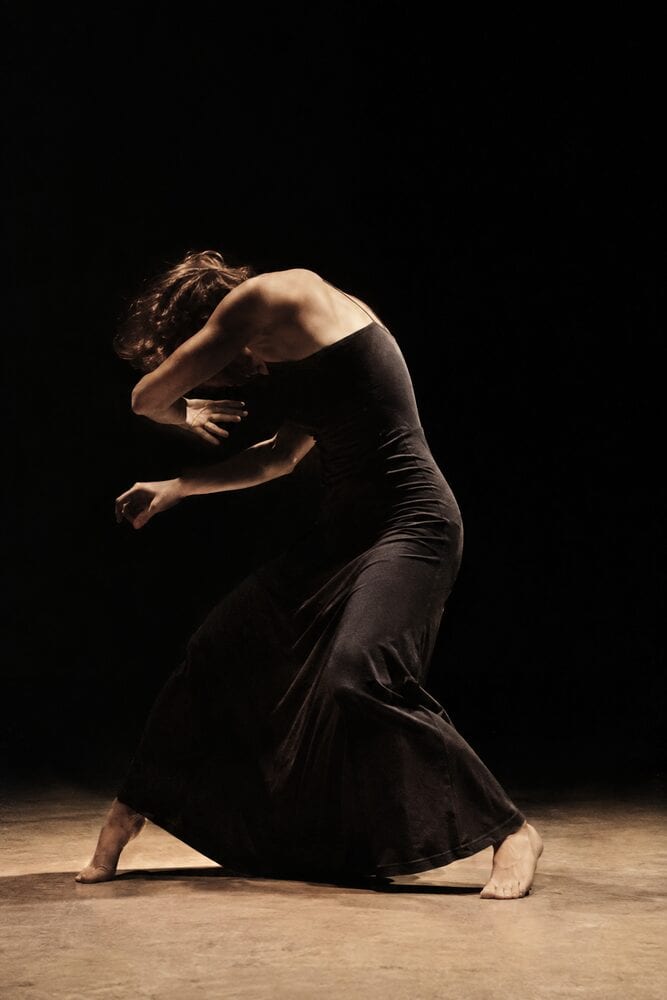
Martha Graham wanted dance to show what people feel, not only how gracefully they can move. Her dancers fell to the floor, struck angular shapes and drove movement from the breath and the pelvis. Audiences in the 1920s found it harsh. By the end of her life she was one of the most influential artists of the twentieth century in any form.
This profile covers her early life, the technique she created, her major works and collaborators, and how her company and school carried her work into its second century. She belongs with the other founders of modern dance on our list of America’s Irreplaceable Dance Treasures, alongside Loïe Fuller and Pearl Primus.
Some terms first. Modern dance is the theatrical dance that grew in the early twentieth century in reaction to ballet, valuing personal expression over set forms. Graham technique is the training system she developed. Contraction is a deep curve of the spine started by exhaling, and release is the return to length on the inhale. Denishawn was the dance company and school of Ruth St. Denis and Ted Shawn, where Graham trained.
Early life and Denishawn
Graham was born on 11 May 1894 in Allegheny, Pennsylvania, now part of Pittsburgh, according to the Library of Congress. She studied at the Cumnock School of Expression and then trained with Ruth St. Denis and Ted Shawn at the Denishawn School, the most famous dance school in America at the time.
She became one of Denishawn’s leading performers but left the company in 1923 and began charting her own path in New York. She wanted to find her own movement rather than perform the exotic spectacles Denishawn was known for.
A new company in 1926
On 18 April 1926, Graham gave her first independent concert in New York at the 48th Street Theatre, with a small group of dancers. The Martha Graham Dance Company dates its founding to that year, which makes it the oldest dance company in the United States. Louis Horst, her music director from 1926 to 1948, pushed her to work with new composers and to strip dances to their structure.
Her school, founded at the same time, is described by the Jacob’s Pillow archive as the longest continuously operating school of dance in the country. For most of its early history the company was all women. Erick Hawkins became the first man to join, in 1938.
What is Graham technique?
Graham technique starts on the floor. Classes begin seated, with breathing exercises that turn into contractions and releases of the torso, then build to standing work, spirals, falls and travelling across the room. The idea is that emotion lives in the centre of the body, so movement should start there and spread out to the arms and legs.
The style looked raw beside ballet: flexed feet, angular arms, falls to the floor and recoveries. It was also highly codified, which is why it could be taught. Graham technique became one of the standard trainings for modern dancers and has influenced choreographers far outside her company.
Major works and collaborators
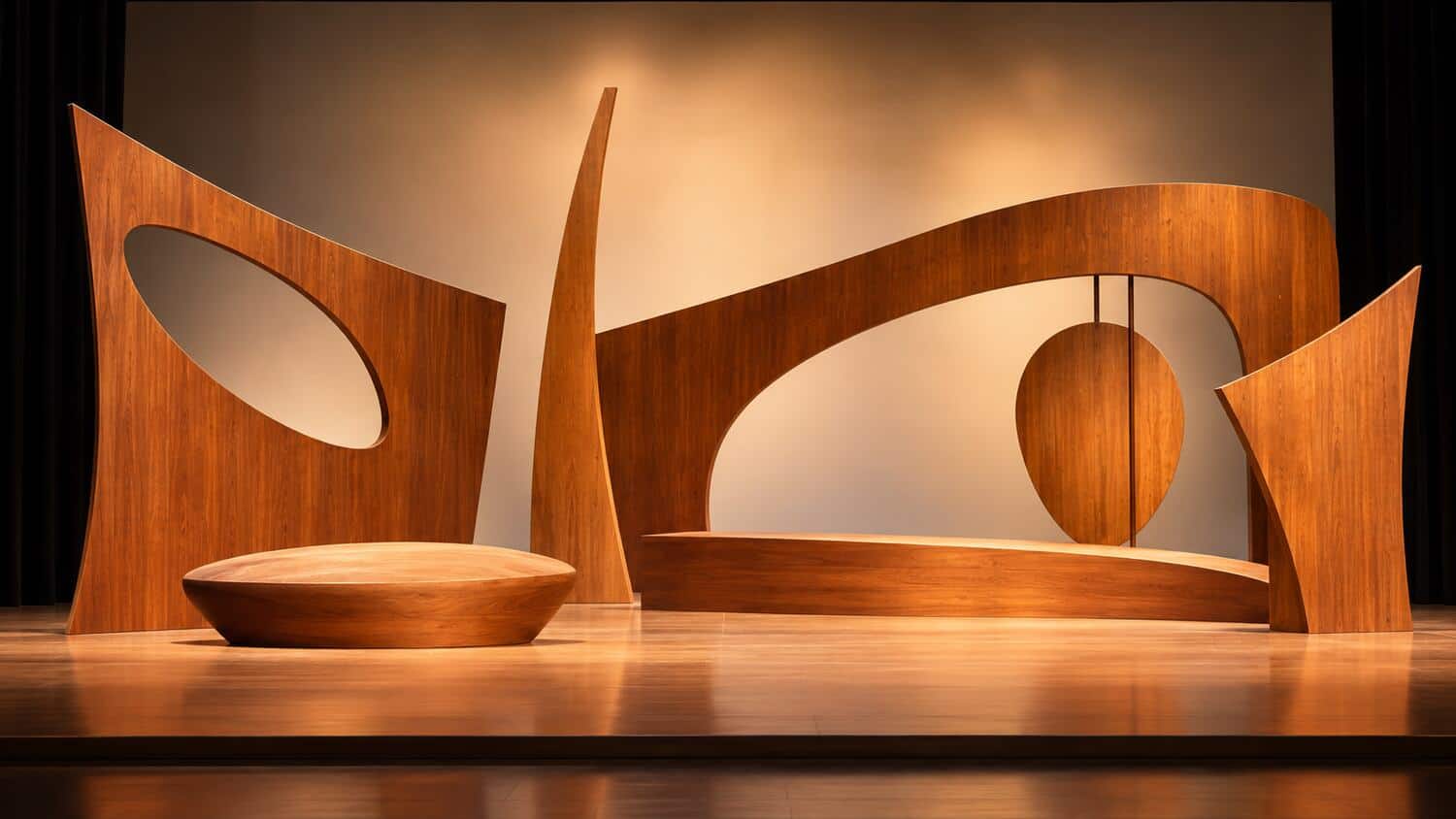
Graham made about 180 works over more than sixty years. Some of the best known:
- Lamentation (1929), a solo in which the dancer, seated inside a stretch-jersey tube, embodies grief itself.
- Heretic (1929), an early group work about an individual against a crowd.
- Appalachian Spring (1944), commissioned through the patron Elizabeth Sprague Coolidge and premiered at the Library of Congress with a score by Aaron Copland.
- Dark Meadow (1946), one of her psychological works.
- Clytemnestra, one of many roles in which she portrayed the great women of history and mythology.
She worked with leading composers and artists. The sculptor Isamu Noguchi designed more than 35 sets for her, according to the Library of Congress, turning the stage into a space of abstract objects the dancers used and moved around.
A company that changed with America
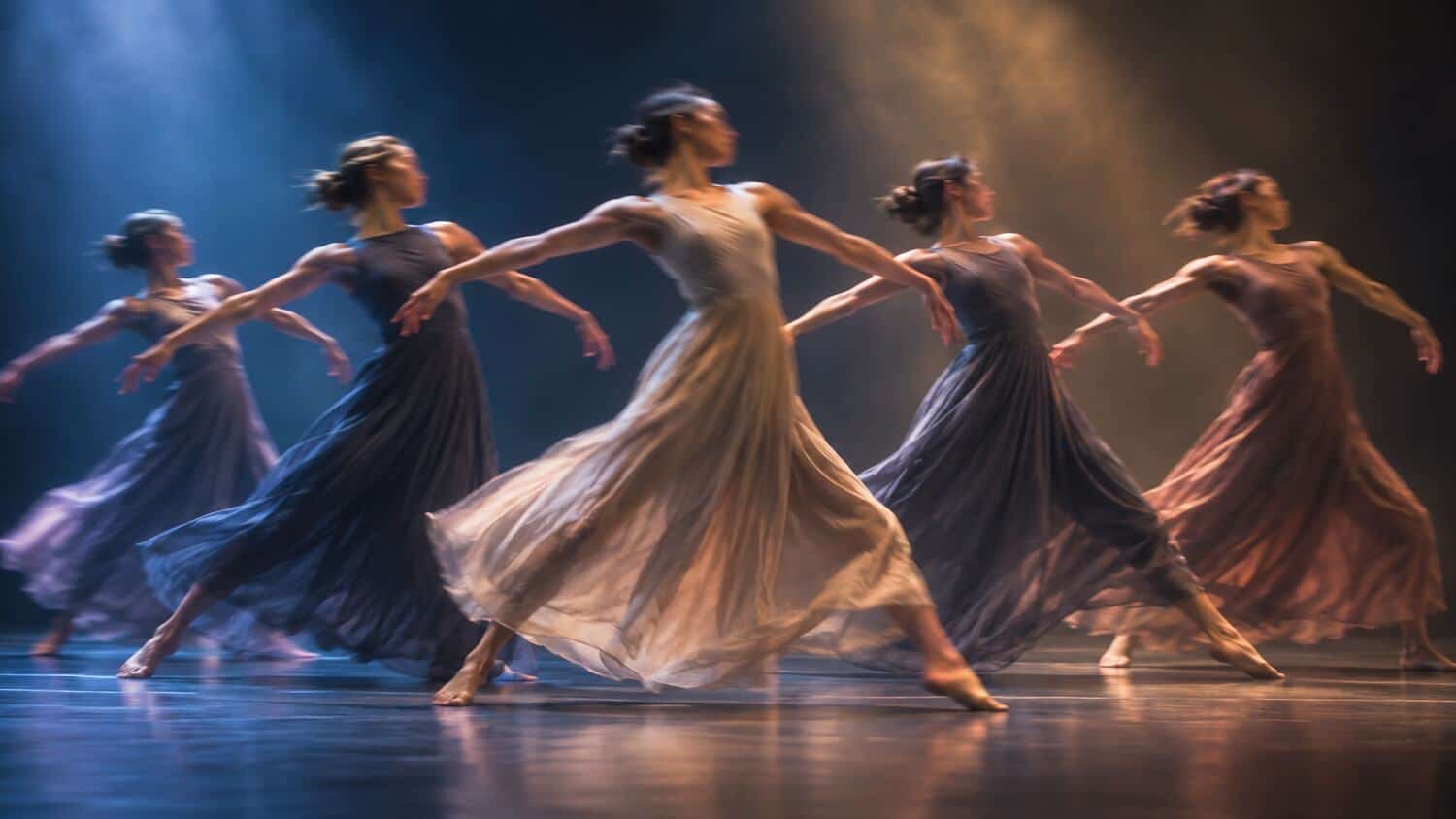
Graham’s company was also early to bring dancers of different backgrounds onto the same stage. The Japanese American dancer Yuriko joined in 1944, and Mary Hinkson and Matt Turney, both African American, joined in the early 1950s. The company was also a training ground for future choreographers, including Merce Cunningham and Paul Taylor, who went on to found companies of their own.
TIME magazine later named Graham “Dancer of the Century”. She kept making new work into old age and died on 1 April 1991, at 96.
Legacy and archive
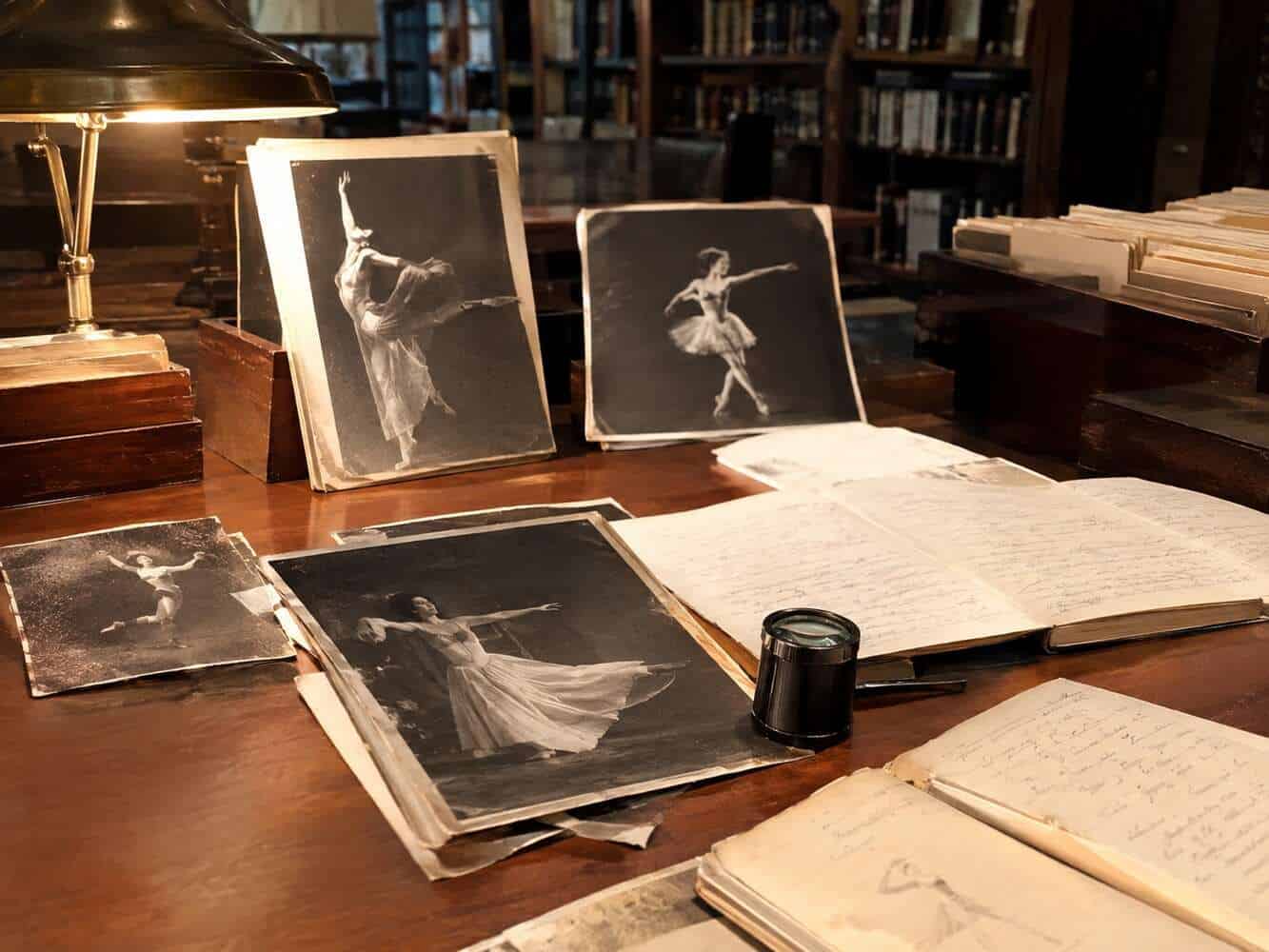
The company has performed in more than 50 countries and celebrated its 100th anniversary in 2026 with a season at New York City Center. The Library of Congress holds the Martha Graham Collection, about 350,000 items including films, photographs, scores and costume designs, which researchers use to reconstruct her dances.
Graham’s story is a model for how dance heritage survives: a technique that can be taught, a company that keeps the works in repertory, and an archive that records what the bodies remember. It is the same challenge faced by court traditions such as Thailand’s khon masked dance drama, and by tap stars such as Bill “Bojangles” Robinson.
Key takeaways
- Martha Graham (1894 to 1991) was a founder of American modern dance.
- She gave her first independent concert on 18 April 1926, the founding year of her company.
- Graham technique is built on contraction and release, starting from the breath and the torso.
- She created about 180 works, including Lamentation and Appalachian Spring.
- Her company, the oldest in the United States, reached its 100th anniversary in 2026.
Common questions
Why is Martha Graham called the mother of modern dance?
She created a new movement language and a teachable technique, founded the longest-running dance company in the United States and influenced generations of choreographers.
What is the Graham contraction?
A deep curve of the spine started by a sharp exhale, followed by a release back to length on the inhale. It is the basis of Graham technique.
How many dances did Martha Graham create?
About 180 works, made over more than sixty years.
When was the Martha Graham Dance Company founded?
In 1926. Graham gave her first independent concert in New York on 18 April 1926.
Who designed Martha Graham’s sets?
The sculptor Isamu Noguchi designed more than 35 sets for her works.
How we wrote this: This profile is based on the Library of Congress name authority, research guide and Martha Graham Collection, the Martha Graham Dance Company’s history page, the Jacob’s Pillow Dance Interactive archive and coverage of the company’s centennial. Last checked November 2026.