In short: Nobody knows exactly when dance started, because movement leaves no trace. The earliest firm evidence is visual: rock paintings of dancing figures, such as those at Bhimbetka in India, and later images in Egyptian tombs and Greek pottery. Over thousands of years dance served ritual, courtship, social life and theatre. Court dances in Renaissance Europe led to ballet; African diaspora and European forms mixed in the Americas to produce tap, jazz, swing and hip-hop; and modern dance broke away from ballet around 1900.
“When did dance start?” is one of the most common questions people ask about the art, and the honest answer is that it started before history did. Every known human culture dances. Anthropologists and archaeologists agree that dance is far older than writing, and probably older than many of the musical instruments we can date. What we can trace is how dance has been recorded and how its main styles developed.
This overview walks through that story in broad steps, then links to our profiles of the artists who shaped American dance in particular. For the national list that tried to record that heritage, see our guide to America’s Irreplaceable Dance Treasures.
The earliest evidence
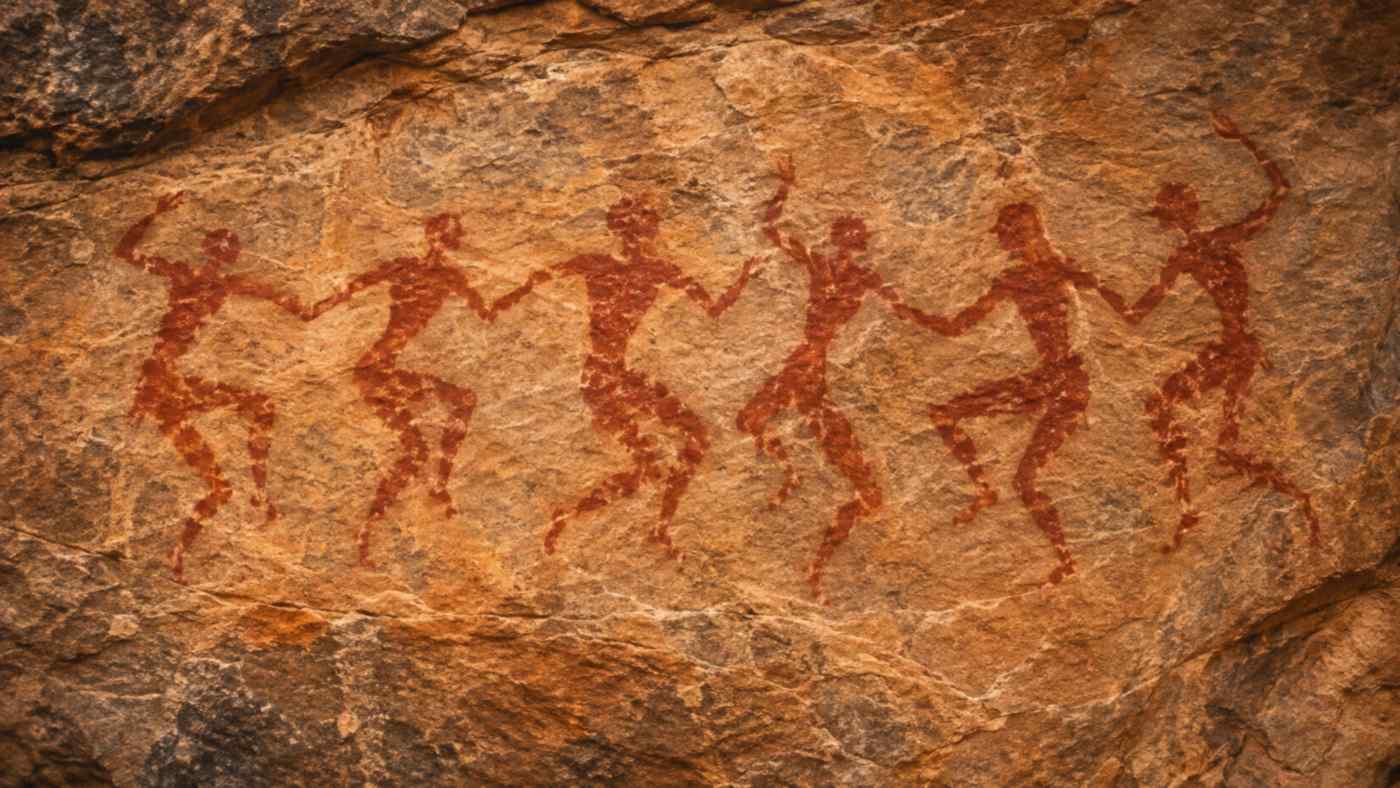
Because dance is made of movement, it does not fossilise. The first evidence comes from pictures. The rock shelters of Bhimbetka in central India, a UNESCO World Heritage Site, contain paintings from many periods, some very ancient, that include groups of figures who appear to be dancing. Similar scenes of linked or leaping figures appear in rock art in Africa and Europe.
Later, written civilisations left clearer records. Egyptian tomb paintings show dancers at banquets and funerals. Greek vases show dancers at festivals, and Greek theatre grew partly out of choral dance in honour of the god Dionysus. In India, the Natya Shastra, a treatise on performance compiled roughly two thousand years ago, sets out a detailed theory of dance, gesture and expression that still underpins Indian classical dance.
Why people danced
Across cultures, the earliest dances seem to have served a few purposes that still exist today:
- Ritual and religion: dances to mark the seasons, pray for rain or harvest, heal the sick, or honour gods and ancestors.
- Community and celebration: dances at weddings, festivals and gatherings that bound a group together.
- Courtship: dances that let young people meet and display themselves under the eyes of the community.
- Storytelling and theatre: dances that act out myths, history or heroic deeds.
- Training: war dances and martial dances that built strength and discipline.
Classical traditions in Asia
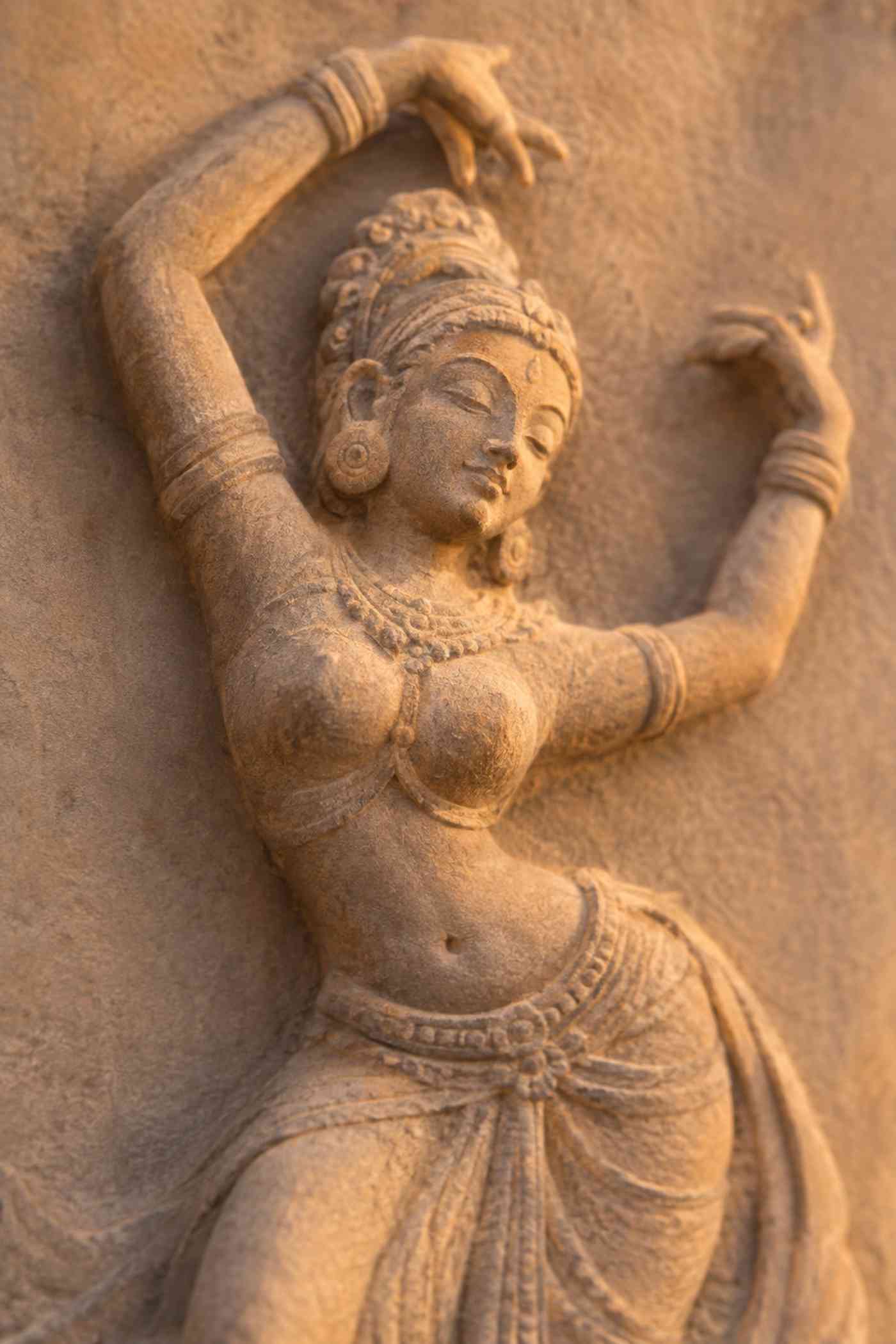
Several Asian dance traditions developed codified techniques very early. Indian classical forms such as Bharatanatyam and Odissi draw on temple dance, and temple sculpture preserves their poses. In Southeast Asia, court and temple dance in Cambodia, Thailand and Java developed refined vocabularies of hand gestures and stylised movement. Japanese Noh and later Kabuki combined dance, music and drama into tightly controlled theatre forms. These traditions show that “classical” dance is not only a European idea.
From court dance to ballet
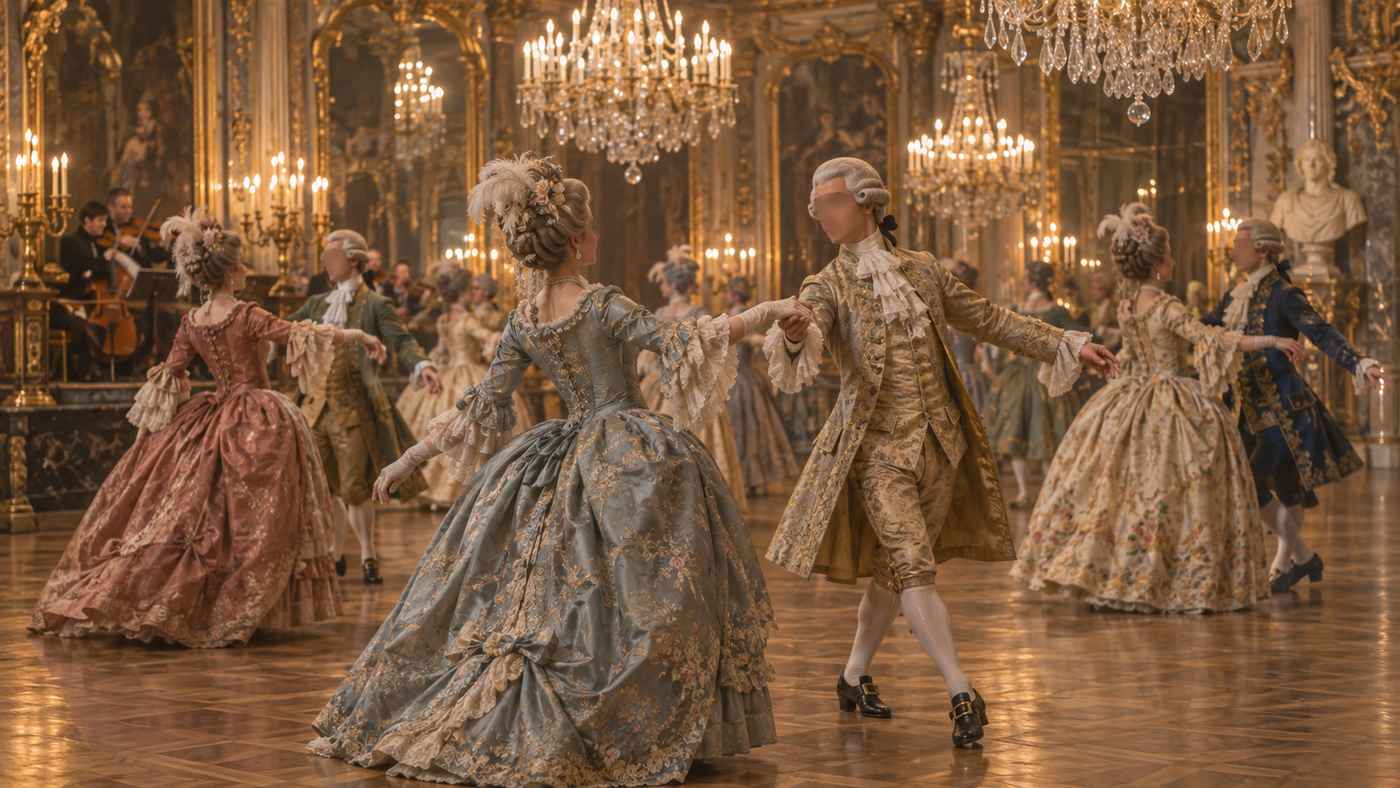
In Europe, the story of ballet begins in the courts of Renaissance Italy and France. Nobles performed elaborate entertainments that combined dance, poetry, music and spectacle. Dancing masters taught set steps and wrote manuals. In the 17th century the French king Louis XIV, himself a keen dancer, founded the Royal Academy of Dance in 1661, and France developed the positions and vocabulary that ballet still uses. By the 19th century ballet had become a professional art, with Romantic works such as Giselle and later Russian classics such as Swan Lake and The Nutcracker.
Social dance and the printed manual
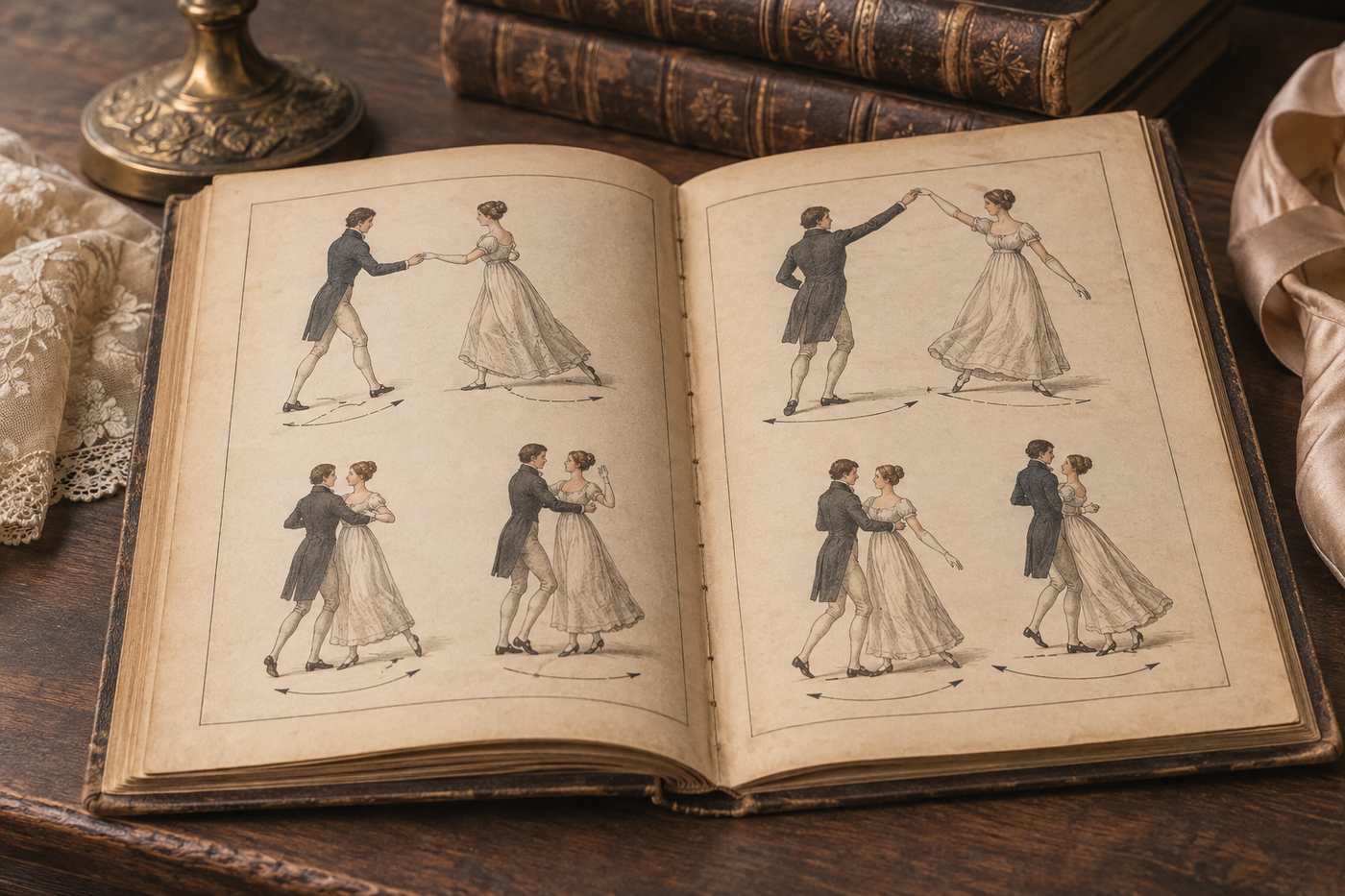
Alongside theatre dance, ordinary people danced in villages, taverns and ballrooms. Printing made it possible to spread steps widely. The Library of Congress collection An American Ballroom Companion holds more than two hundred dance manuals from 1490 to 1920, recording minuets, quadrilles, waltzes and polkas as they moved from Europe to America. The waltz, once considered shocking because couples held each other closely, became the most popular dance of the 19th century.
The Americas: a meeting of traditions
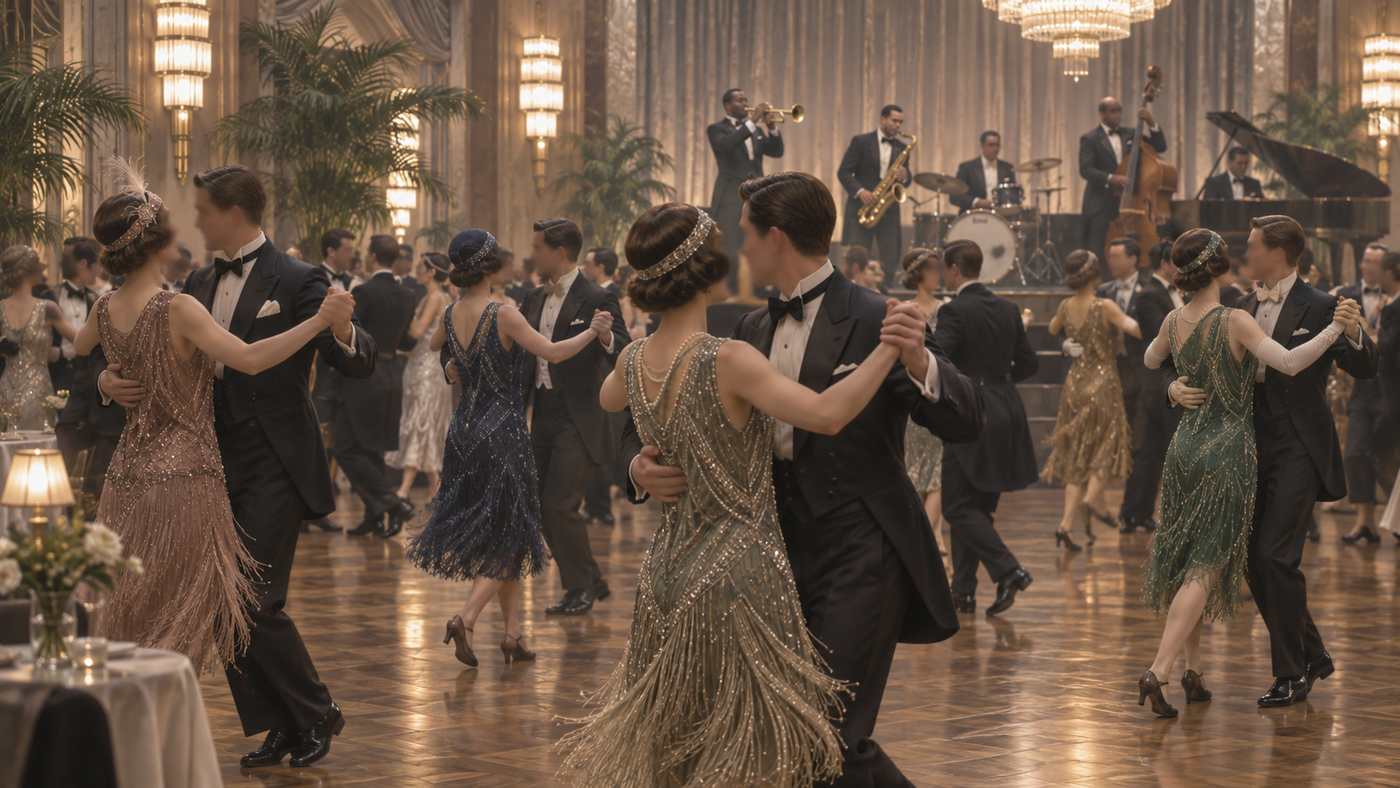
In the Americas, African, European and Indigenous dance traditions met and mixed, often under the brutal conditions of slavery and colonialism. That mixing produced many of the world’s most influential styles. In the United States, tap dance grew from African American rhythm dancing and Irish and English step dancing, with performers such as William Henry Lane, known as Master Juba, in the 1840s. Jazz dance, the Charleston and the Lindy Hop followed in the 1920s and 1930s, centred on ballrooms such as Harlem’s Savoy. Latin America developed the tango, samba, mambo and salsa.
Film then carried these styles around the world. Directors such as Busby Berkeley and dancers such as Eleanor Powell made tap and the musical number global, and Jack Cole built the theatrical jazz style that Broadway still uses.
Modern and contemporary dance
Around 1900 a group of mostly American women rejected ballet’s rules. Loïe Fuller made dances of light and silk, Isadora Duncan danced barefoot to concert music, and Ruth St. Denis drew on Asian sources. Martha Graham, Doris Humphrey and others built new techniques in the 1920s and 1930s. Katherine Dunham and Pearl Primus brought African and Caribbean dance into the concert hall. Later choreographers such as Merce Cunningham and the Judson Dance Theater questioned what dance could be at all.
Hip-hop and the street
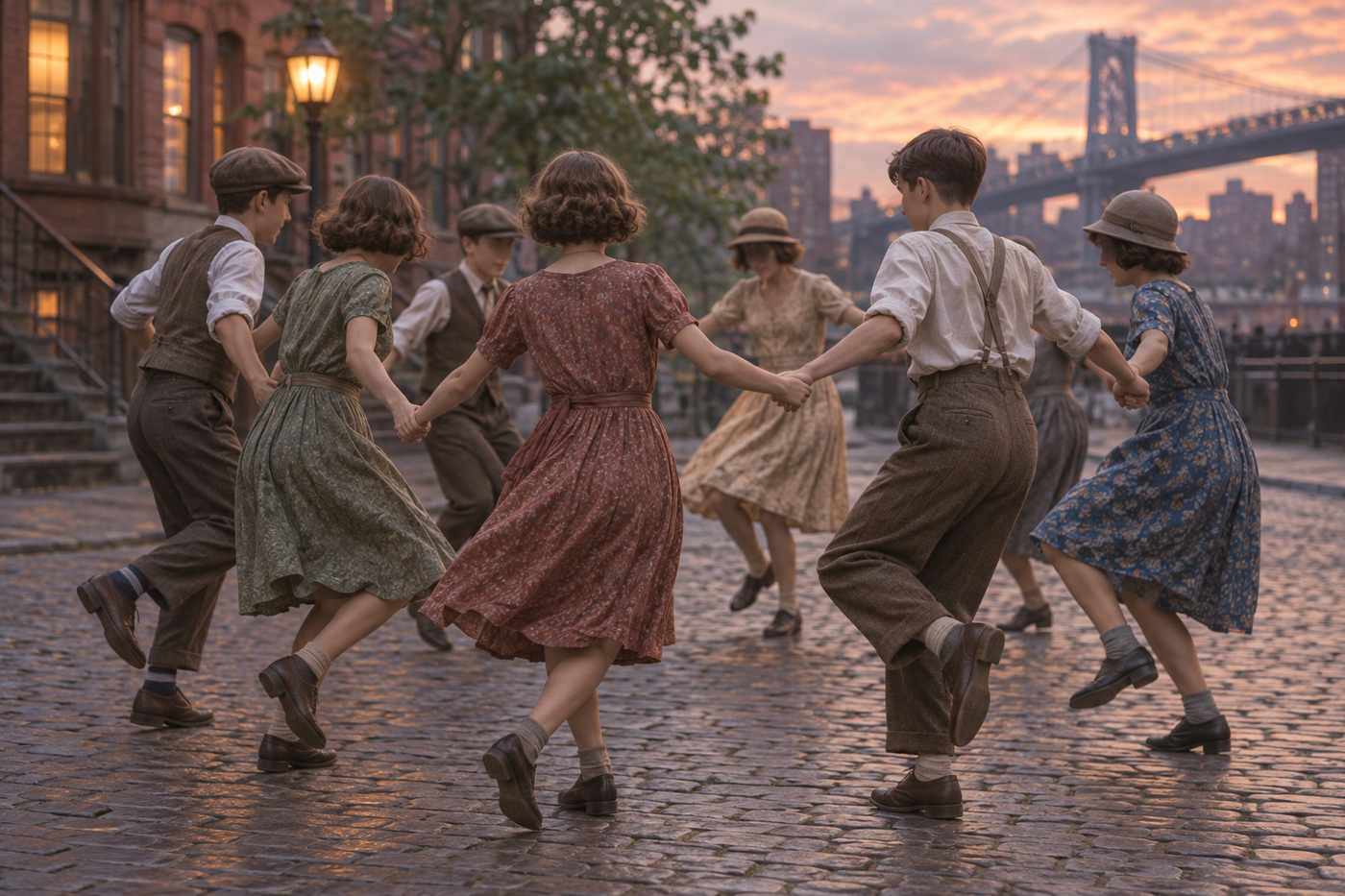
The most influential new style of the late 20th century came from the streets. In the 1970s, in the Bronx and other New York neighbourhoods, young people developed breaking at block parties, while popping and locking grew up in California. Hip-hop dance spread through music videos and competitions and, in 2024, breaking made its debut as an Olympic sport in Paris. The 2000 list of America’s Irreplaceable Dance Treasures included hip-hop alongside ballet companies, a sign of how far ideas of “heritage” had widened.
Key takeaways
- Dance is older than writing; the earliest evidence is rock art showing dancing figures.
- Early dance served ritual, community, courtship, storytelling and training.
- Asian classical traditions developed codified techniques long before European ballet.
- Ballet grew from European court dance; Louis XIV founded the Royal Academy of Dance in 1661.
- In the Americas, African, European and Indigenous traditions mixed to create tap, jazz, swing, Latin styles and hip-hop.
Common questions
When did dance start?
No one knows the exact date. Dance almost certainly predates writing, and the oldest evidence is prehistoric rock art showing groups of dancing figures.
What is the oldest dance style still performed?
Many ritual and folk dances have very old roots, but continuous records are rare. Indian classical dance, based on the Natya Shastra, has one of the oldest documented theories of dance.
Where did ballet come from?
From the courts of Renaissance Italy and France. It was formalised in 17th-century France under Louis XIV.
Where did tap dance come from?
From the mixing of African American rhythm dance with Irish and English step dancing in 19th-century America.
What is the difference between modern and contemporary dance?
Modern dance usually means the techniques created in the early and mid 20th century by artists such as Graham and Humphrey. Contemporary dance is a broader term for current concert dance that mixes many techniques.
Is hip-hop considered a dance heritage?
Yes. It was named on the 2000 list of America’s Irreplaceable Dance Treasures, and breaking became an Olympic sport in 2024.
How we wrote this: This overview is a summary based on Britannica, UNESCO, the Library of Congress and standard dance histories. Dates for prehistoric material are approximate and we have avoided precise claims where evidence is uncertain. Last checked November 2026.