In short: Loïe Fuller (1862 to 1928) was an American dancer who became a star in Paris with the Serpentine Dance, in which she swirled vast lengths of silk under coloured electric light. She designed her own lighting, patented stage inventions, inspired Art Nouveau artists, and was one of the first performers to try to copyright a dance. She is a founding figure of modern dance and was named one of America’s Irreplaceable Dance Treasures in 2000.
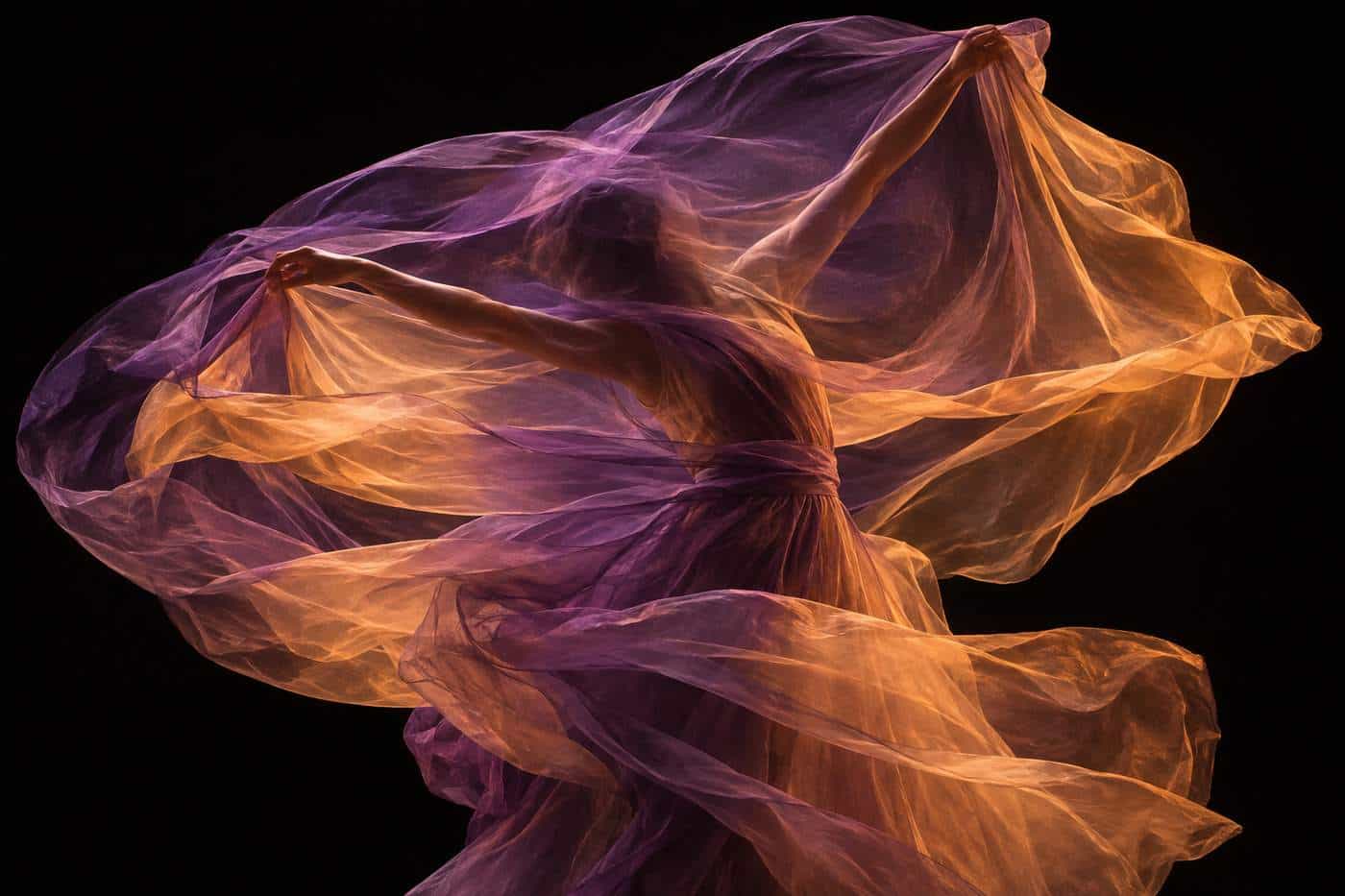
Loïe Fuller was not a trained dancer, and she did not care much about steps. What she invented was an image: a figure dissolving into waves of fabric that changed colour as they rose and fell, like a flower opening or a flame. To make that image she became a lighting designer, an engineer and a business owner, long before those were recognised parts of a choreographer’s job.
This profile covers how she discovered the Serpentine Dance, her fame in Paris, her inventions, her legal battles and her influence on modern dance. She shares the list of America’s Irreplaceable Dance Treasures with dancers she helped launch, including Isadora Duncan.
From actress to dancer
Fuller was born on 15 January 1862 near Chicago, Illinois. She worked from childhood as an actress in temperance plays, stock companies, burlesque and vaudeville, and toured widely. She had no classical dance training.
The breakthrough, as she told it, happened almost by accident in 1891. In a play called Quack, M.D. she had a scene as a woman under hypnosis. Wearing a long, light skirt, she began to move it around her under the stage lights, and the audience reacted strongly to the shapes it made. She developed the idea into a dance and performed it in New York at the Casino Theatre in 1891 as the Serpentine Dance.
Paris and the Folies Bergère
The dance was quickly copied by imitators in the United States, and Fuller left for Europe. In late 1892 she opened at the Folies Bergère in Paris and became a sensation. Paris adopted her as its own. She performed there for years, adding new dances such as the Fire Dance, in which red light from below made her silks look like flames, and the Lily, with fabric extended on hidden wands.
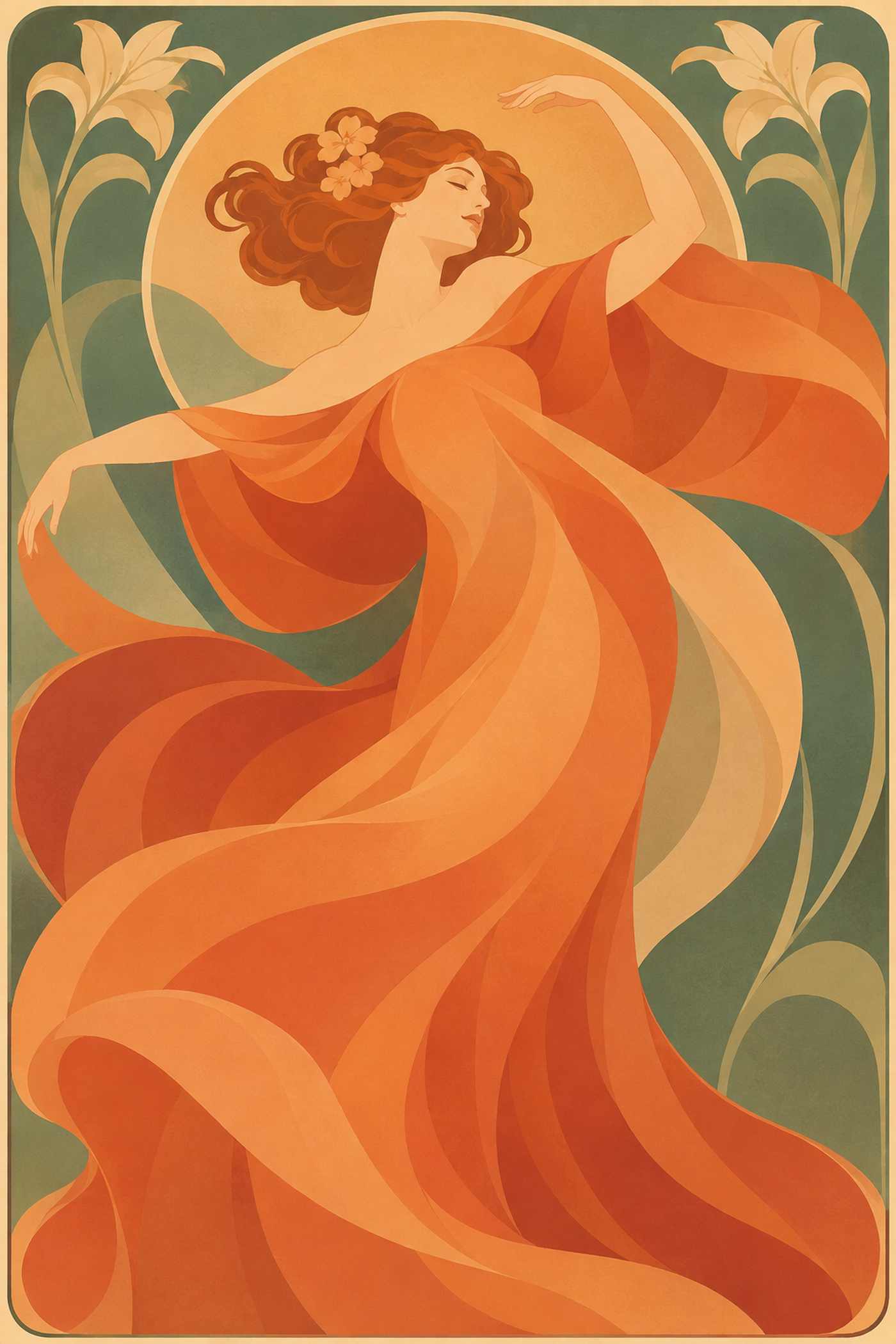
Artists loved her. Henri de Toulouse-Lautrec made a series of lithographs of her, and poster artists such as Jules Chéret used her image again and again. Writers, sculptors and scientists came to her shows. She became friends with Marie and Pierre Curie and was fascinated by radium and luminous effects.
Light as choreography
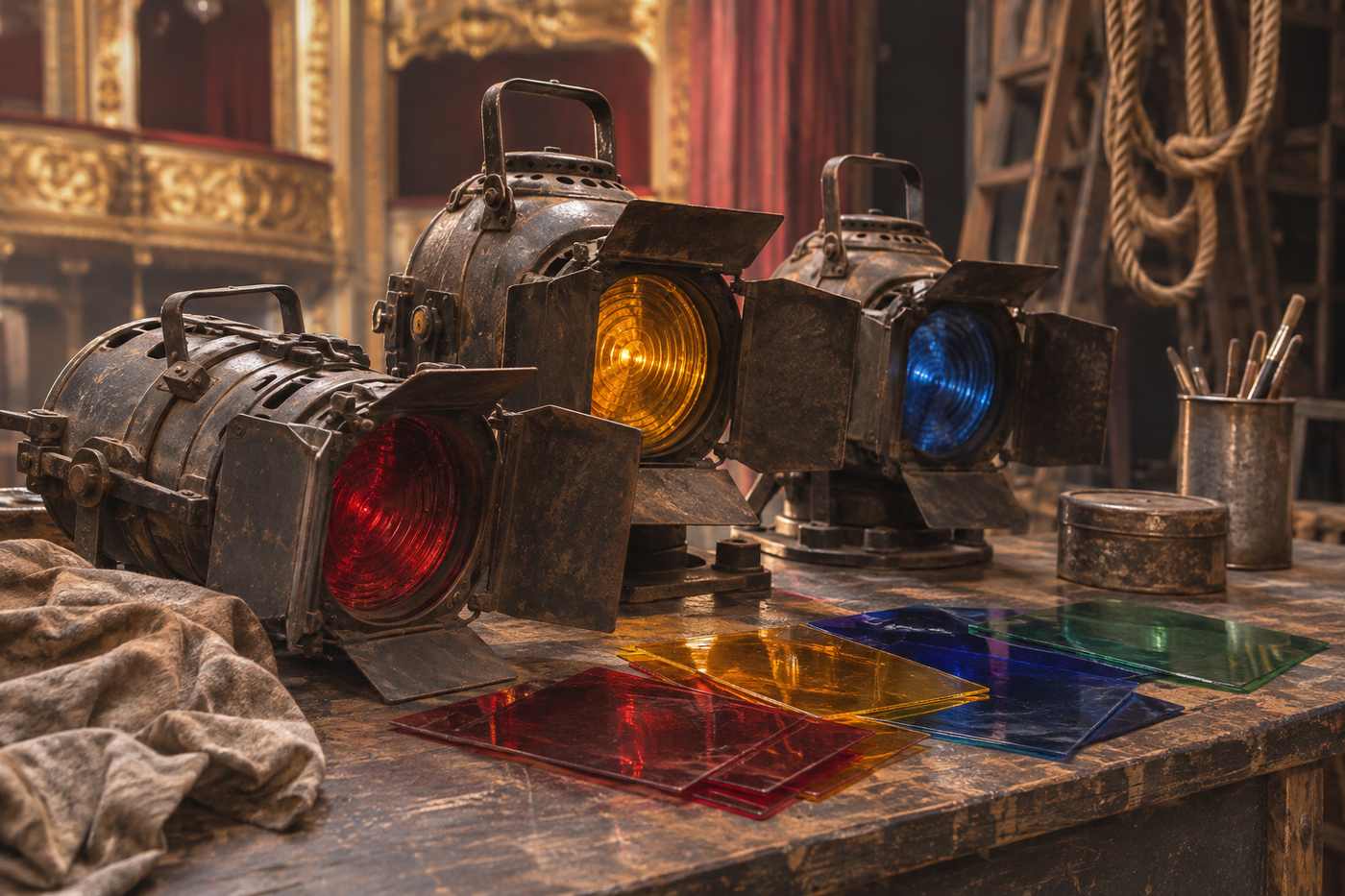
Fuller’s real medium was light. She worked with electricians to design lighting rigs, used coloured glass gels, and lit the stage from the sides and from below as well as from the front. She dimmed the house so the stage was a pool of light in darkness, which was not yet standard. She also used mirrors and projected images onto her silks.
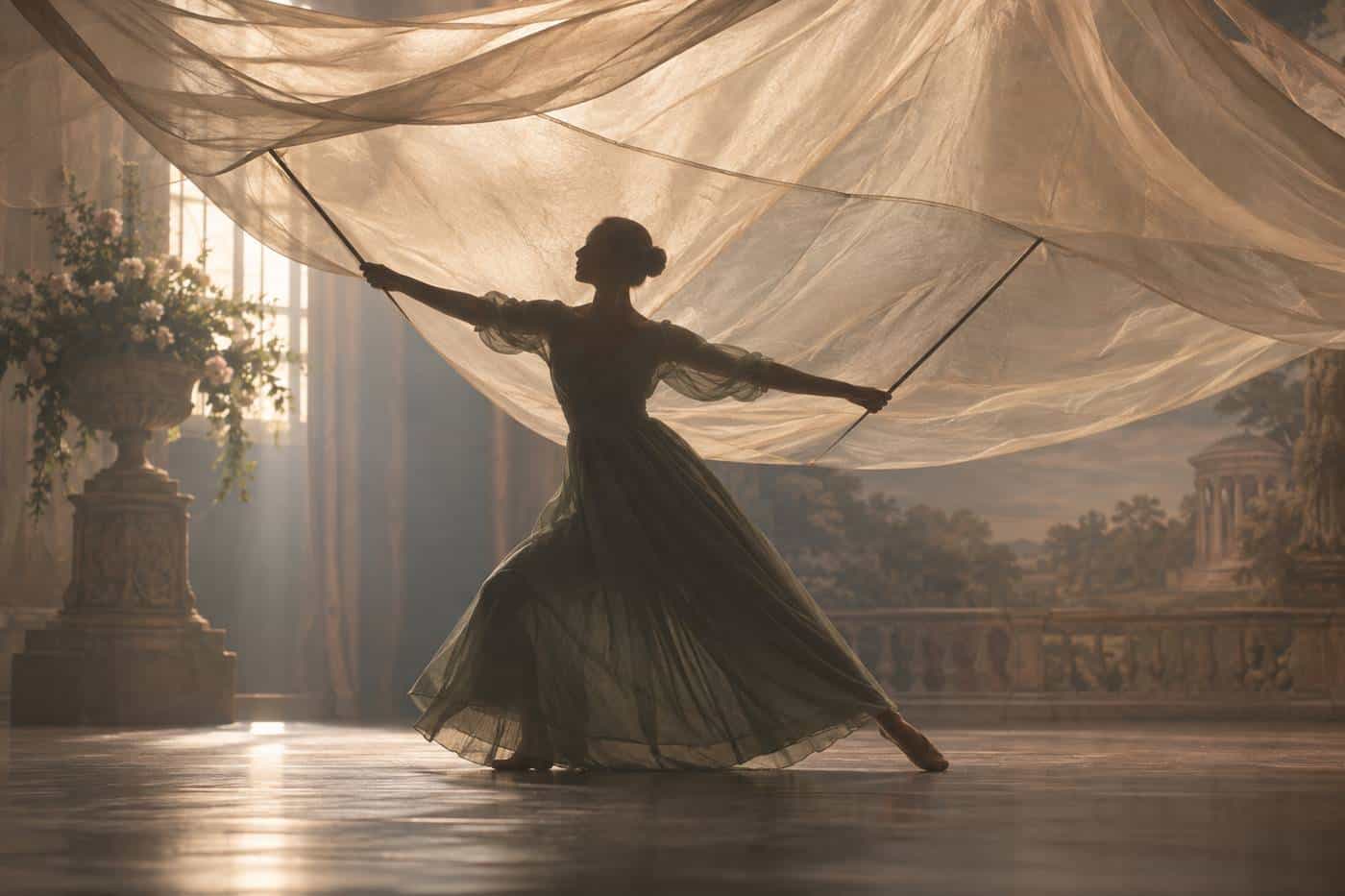
She protected some of these ideas with patents, including a design for a costume with long sleeves and supports, and a stage arrangement lit from beneath a glass floor. Her silks grew huge, and she held them out on long rods hidden inside the fabric. Many historians see her as one of the first artists to treat stage lighting as part of the choreography itself.
The fight to copyright a dance
Because the Serpentine Dance was so easy to copy, Fuller went to court. In 1892 she sued a performer in New York who was dancing an imitation, arguing that her dance was a protected work. The court disagreed. In Fuller v. Bemis, the judge held that a dance that told no story and only produced pleasing images was not a “dramatic composition” under the copyright law of the time. Scholars, including a widely cited article in Dance Research Journal, treat the case as a key early moment in the long struggle to protect choreography as authored work. US copyright law did not explicitly protect choreography until the Copyright Act of 1976.
The 1900 Exposition and her own theatre
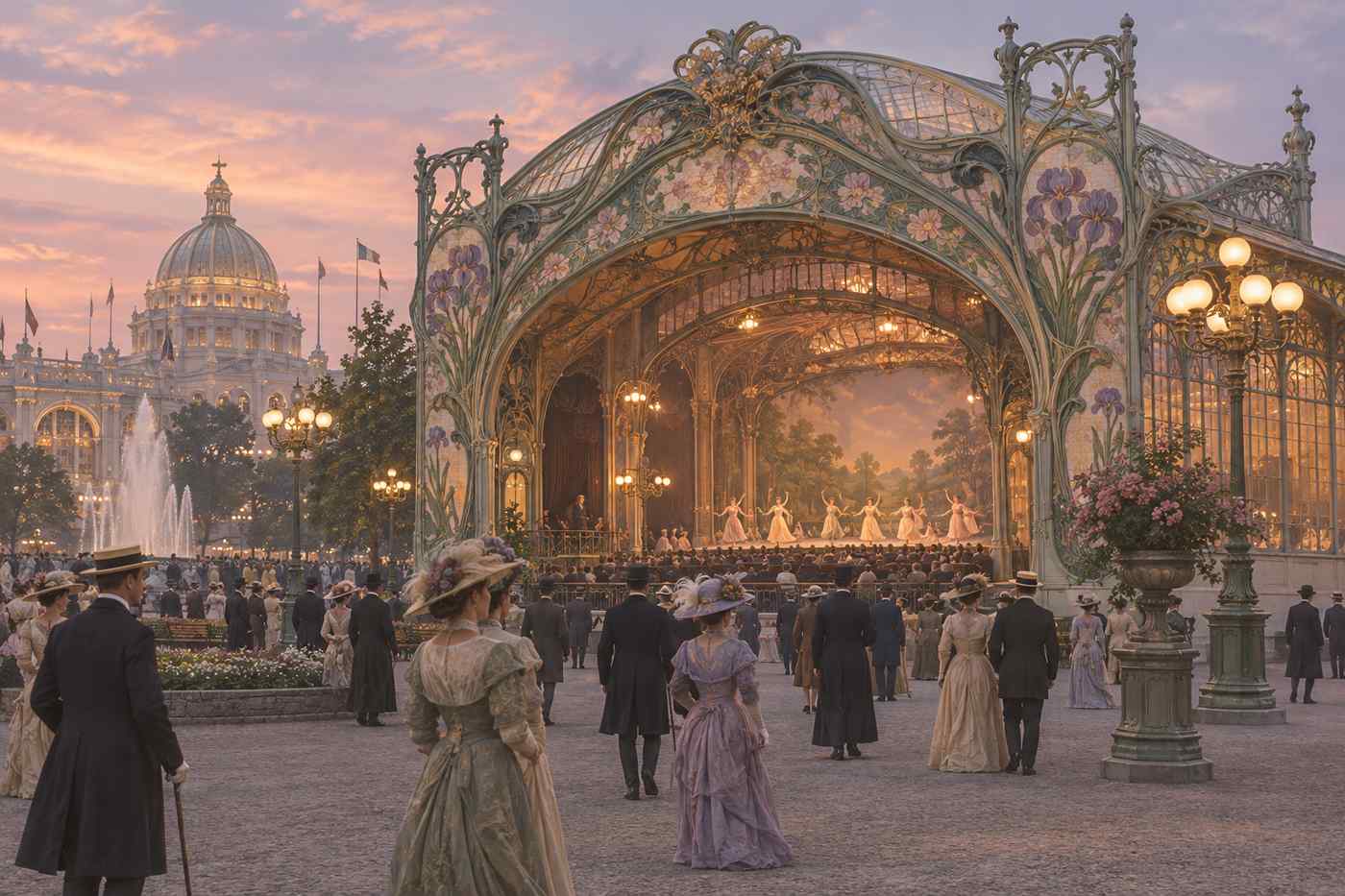
At the Exposition Universelle in Paris in 1900, Fuller had her own theatre, designed by the architect Henri Sauvage, with a façade sculpted to look like her swirling silks. The Fine Arts Museums of San Francisco describe her as one of the fair’s main attractions, presenting her work in a pavilion equipped with the most advanced electric lighting of the era. There she also presented the Japanese actress Sada Yacco, whose performances were a hit with French audiences.
Producer, teacher and patron
Fuller was also an impresario. She brought Isadora Duncan to Europe for an early tour in 1902, introducing her to audiences in Vienna and Budapest, although the partnership soon broke up. She later trained a company of young women who performed her dances. She championed the sculptor Auguste Rodin and helped found what became the Maryhill Museum of Art in Washington State, which still holds material about her.
She died in Paris on 1 January 1928. Her company kept performing her work for some years, but because her dances depended on her own equipment, and because little good film survives of Fuller herself, much of it was lost. Early films of “serpentine dances” by imitators survive, which is a reminder of how easily a dance can be copied and how hard it is to preserve the original.
Her place in dance history
Fuller matters because she changed the question of what a dance is. Her work showed that dance could be about transformation, light and space rather than steps and stories. That idea runs through later modern dance, from Alwin Nikolais’s work with light and costume to today’s multimedia performance. For more on how such ideas shaped the wider field, read our overview of dance styles and history, or compare her stage spectacle with the screen spectacle of Busby Berkeley.
Key takeaways
- Loïe Fuller (1862 to 1928) created the Serpentine Dance in 1891 and became a star in Paris from 1892.
- She designed her own lighting and patented stage inventions, making light part of the choreography.
- She inspired Art Nouveau artists, including Toulouse-Lautrec.
- Her failed 1892 copyright case showed that US law did not then protect dance as authored work.
- She had her own theatre at the 1900 Paris Exposition and helped launch Isadora Duncan’s European career.
Common questions
What is the Serpentine Dance?
A dance Fuller created in 1891 in which she swirled long silk skirts and sleeves under changing coloured light, so the fabric formed shapes like flowers, flames and waves.
Did Loïe Fuller invent stage lighting?
No, but she was one of the first performers to design lighting as part of a dance, using coloured gels, lighting from below and a darkened auditorium.
Did Loïe Fuller win her copyright case?
No. In 1892 a New York court ruled that her dance was not a dramatic composition and could not be protected.
Was Loïe Fuller French?
No. She was American, born near Chicago, but she spent most of her career in Paris and was adopted by French audiences as their own.
Is there a film about Loïe Fuller?
Yes. The 2016 French film La Danseuse (The Dancer) dramatises her life. The New Yorker reviewed it as a film about her Art Nouveau dances.
How we wrote this: This profile is based on museum and archive sources, including the Fine Arts Museums of San Francisco, Barcelona’s municipal library, scholarship on her copyright case, and reviews of later films. Last checked November 2026.
Sources
- Fine Arts Museums of San Francisco: Loïe Fuller and the Legion of Honor
- Barcelona City Council library: Loïe Fuller (PDF)
- The New Yorker: a film about Loïe Fuller’s Art Nouveau dances
- Taylor and Francis: Sada Yacco, Loïe Fuller and the 1900 Exposition
- Arthur Chandler: the Paris 1900 Exposition
- Wikipedia: Loïe Fuller