In short: Jack Cole (1911 to 1974) is often called the father of theatrical jazz dance. He combined modern dance training from Denishawn with Indian classical dance, Afro-Caribbean movement and swing music to create a sharp, low, isolated style that became the basis of Broadway and Hollywood jazz. He coached Marilyn Monroe and Rita Hayworth, and his dancers included Gwen Verdon. He was named one of America’s Irreplaceable Dance Treasures in 2000.
If you have watched a Broadway or film jazz number, you have probably seen Jack Cole’s influence, even if you have never heard his name. The low crouch, the sudden isolations of the hips and shoulders, the sliding knee falls and the precise, sharp hands were not invented in one place, but Cole was the choreographer who put them together into a theatrical system and trained dancers to use it.
This profile covers his training, his nightclub years, his work in Hollywood and on Broadway, and why later choreographers such as Bob Fosse and Jerome Robbins owed him a debt. He sits alongside them on the list of America’s Irreplaceable Dance Treasures.
Jack Cole: early life and training
Cole was born John Ewing Richter in New Brunswick, New Jersey, on 27 April 1911. He joined the Denishawn school and company of Ruth St. Denis and Ted Shawn around 1930, and later danced with the modern dance company of Doris Humphrey and Charles Weidman. Denishawn gave him a lasting interest in dance from other cultures, especially India.
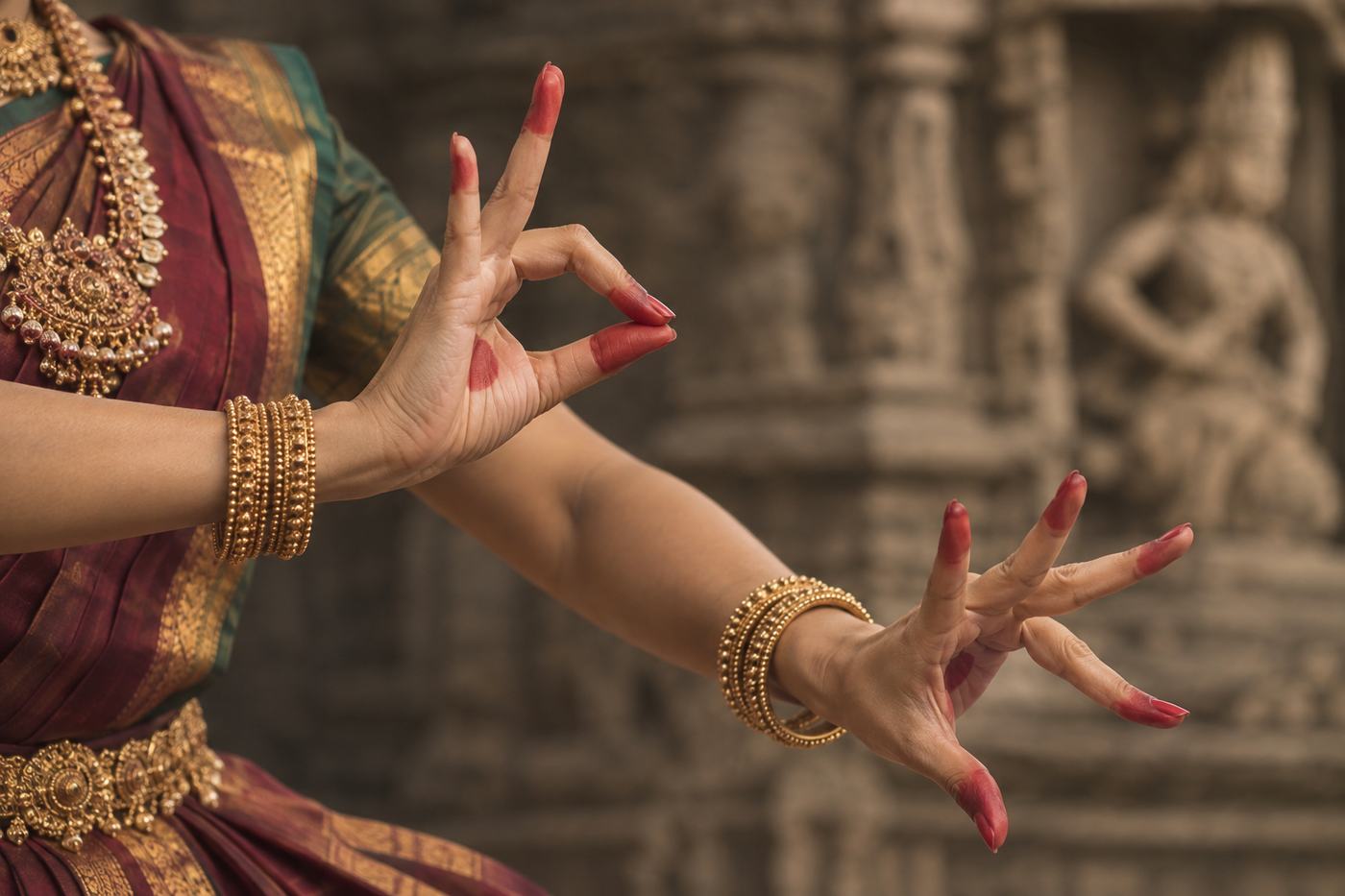
He studied Indian classical dance seriously, including its exact hand gestures, eye movements and rhythmic footwork. He also took in Afro-Caribbean and Latin dance and the social dance of Harlem. What made him different was that he did not present these as “ethnic” curiosities. He broke them down into techniques and rebuilt them for the stage.
Nightclubs and the birth of a style
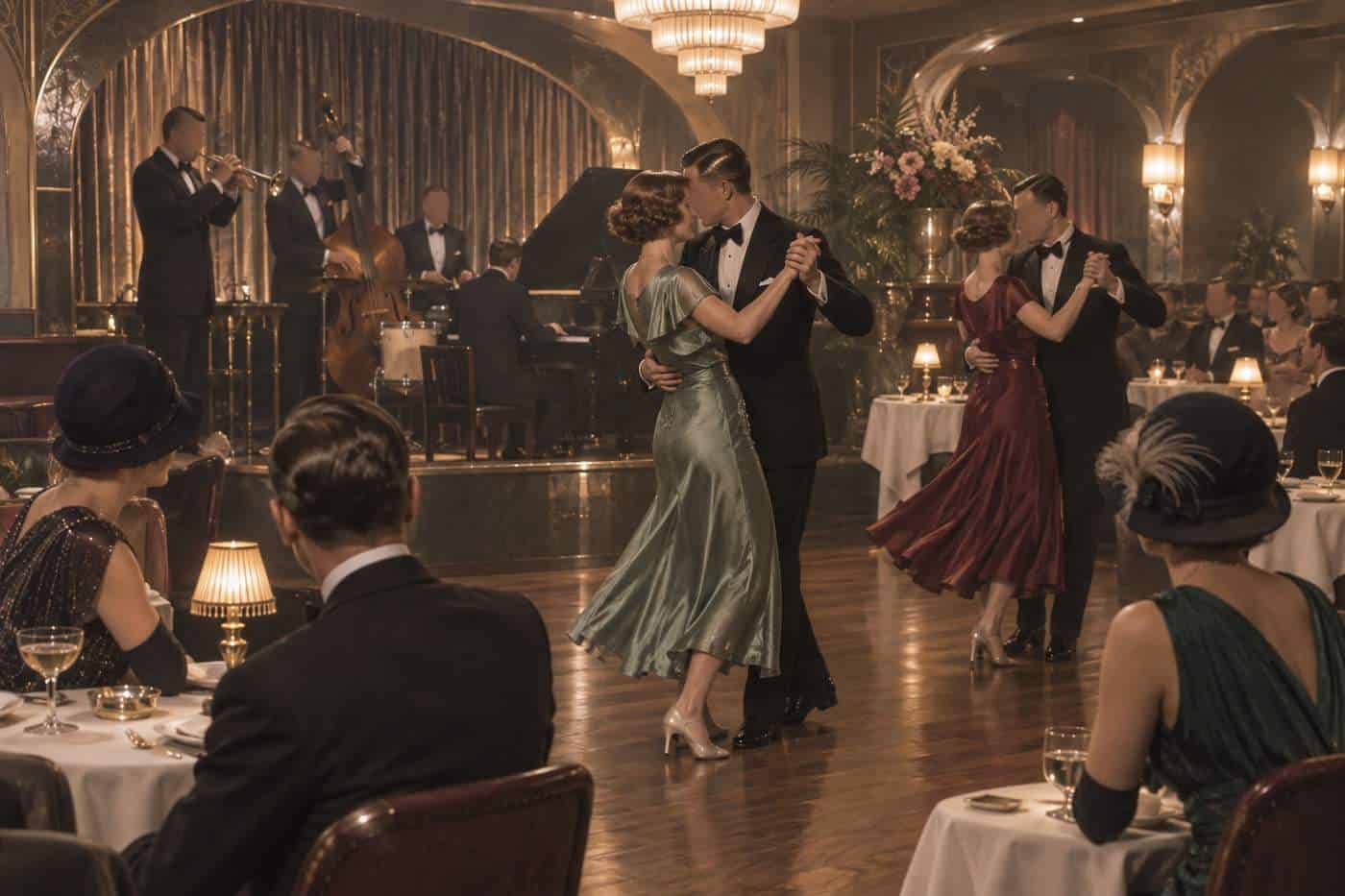
In the later 1930s Cole formed a small group, the Jack Cole Dancers, and worked in elegant nightclubs such as the Rainbow Room in New York. Nightclub work demanded short, punchy numbers that could hold a dining audience close up. Cole danced Indian-inspired movement to big-band swing, and the combination of tight rhythmic precision and hot music became his signature.
Hollywood and the Columbia workshop
In the mid-1940s Columbia Pictures did something unusual: it put Cole’s dancers on permanent salary and gave him a workshop where they trained every day, whether or not a film was shooting. That workshop became a training ground for a generation of film and stage dancers. Cole worked on Rita Hayworth’s films, including Cover Girl (1944) and Gilda (1946), where he staged “Put the Blame on Mame”.
At 20th Century-Fox he became Marilyn Monroe’s dance coach and choreographer. His most famous work for her is “Diamonds Are a Girl’s Best Friend” in Gentlemen Prefer Blondes (1953). He also worked on Monroe’s numbers in River of No Return, There’s No Business Like Show Business and Let’s Make Love. Other film credits include Les Girls (1957) with Gene Kelly. Turner Classic Movies has run a season devoted to his film choreography.
Broadway
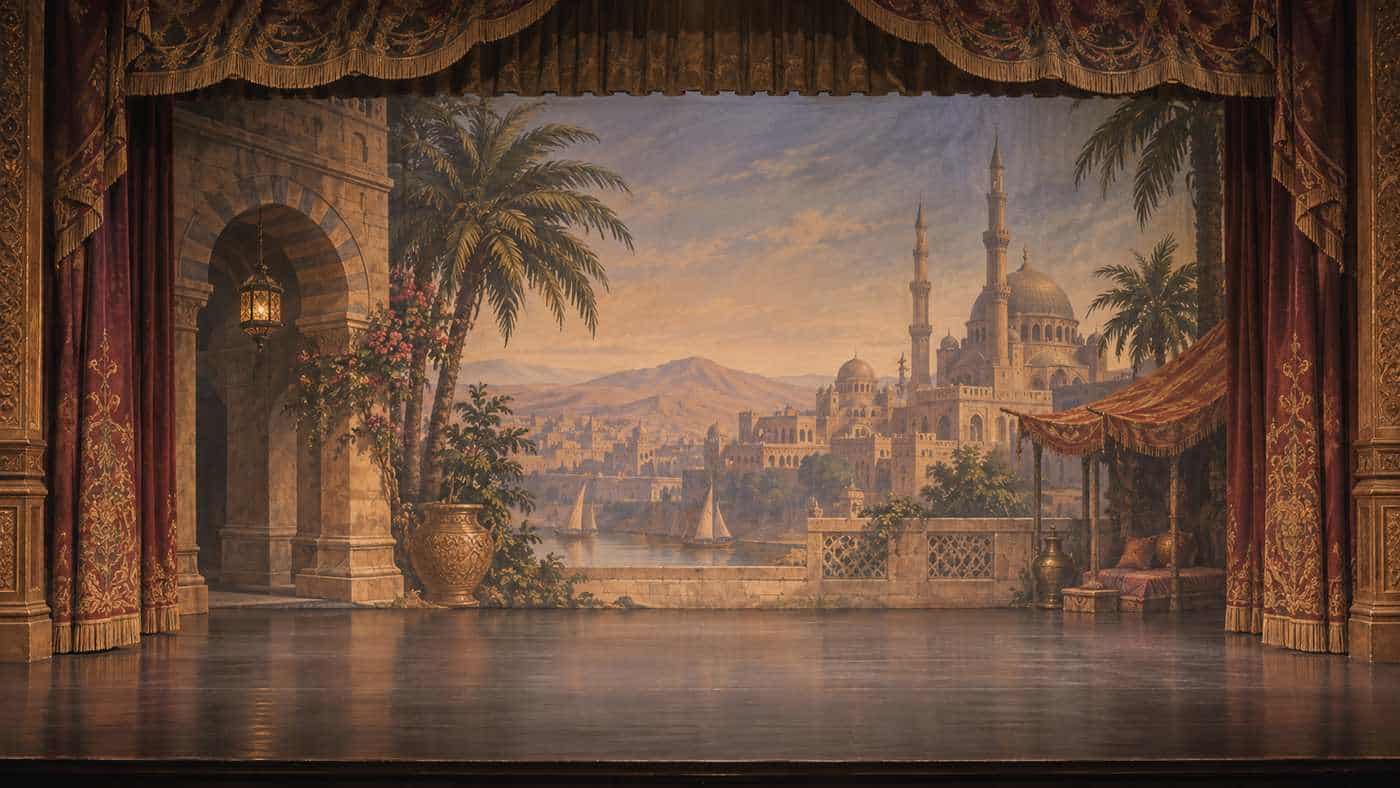
On Broadway, Cole’s credits include Magdalena, Kismet (1953), Jamaica, A Funny Thing Happened on the Way to the Forum and Man of La Mancha (1965). Kismet, set in ancient Baghdad, let him use the Middle Eastern and Indian movement he loved, and he also staged the 1955 film version.
Broadway suited Cole less well than film in some ways. On stage he could not control what the audience looked at, and he was known for clashing with producers who wanted changes. But the stage also let his dancers perform full numbers in one take, without cuts, which showed off the stamina his technique demanded. Several of his shows ran for years, and their dances were copied by touring and regional productions across the country, spreading his style far beyond New York.
What Jack Cole technique looks like in jazz dance
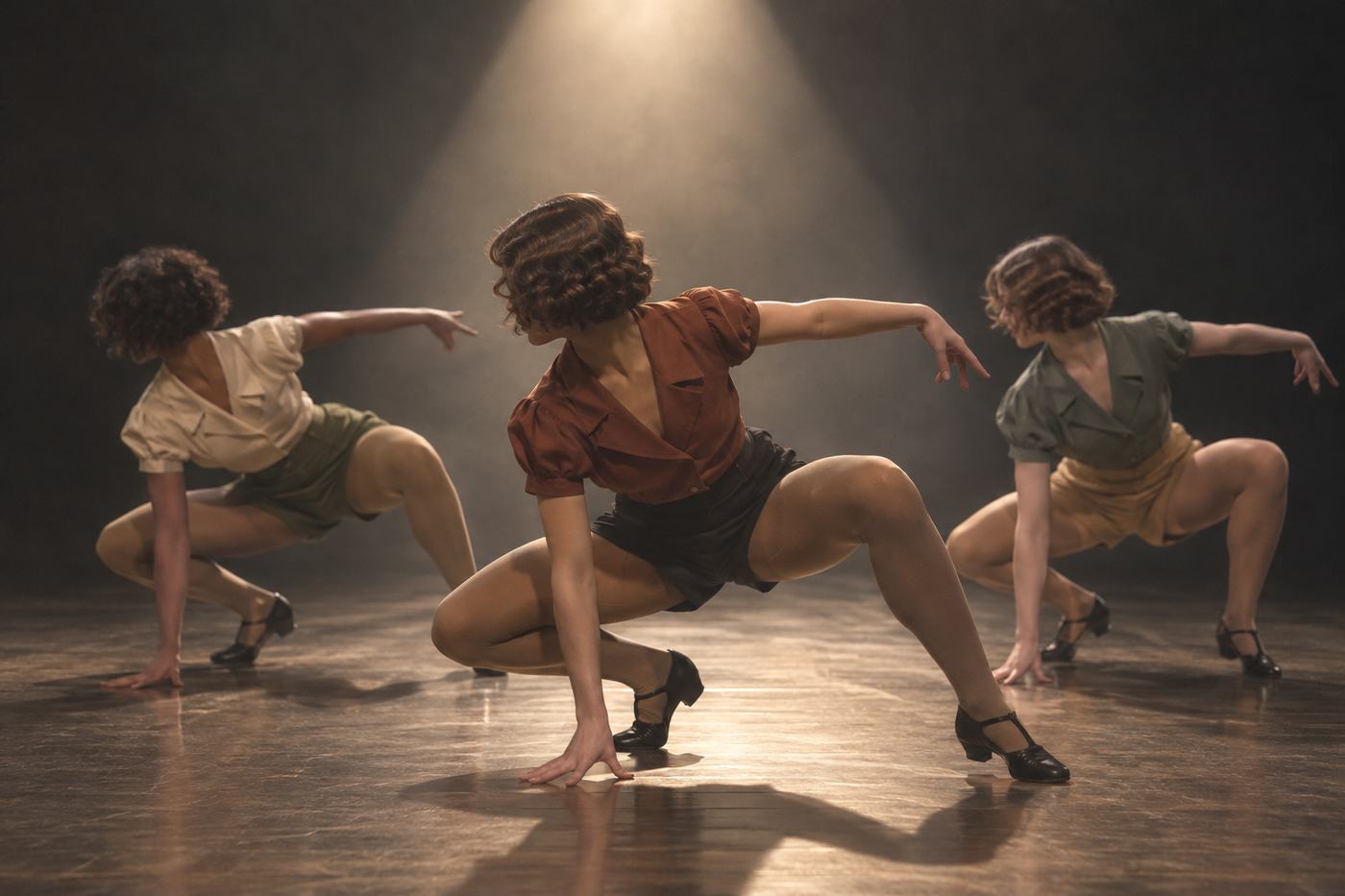
Cole was a demanding teacher, and his dancers described classes as gruelling. The main features of his style are easy to spot once you know them:
- A low centre. Knees bent, weight down, a grounded crouch rather than ballet’s lifted stance.
- Isolations. Hips, ribs, shoulders and head moving separately and sharply.
- Precise hands and eyes, drawn from Indian classical dance.
- Sudden changes of speed, from stillness to explosion and back.
- Knee slides and floor work that look effortless but need great strength.
Underneath the style was serious training in ballet and modern dance. Cole believed jazz dancers needed the same discipline as concert dancers.
The dancers he trained
Key terms. Denishawn: the Los Angeles school and company of Ruth St. Denis and Ted Shawn, where many early American modern dancers trained. Isolation: moving one part of the body, such as the shoulders, hips or head, while the rest stays still; it is the core of Cole-style jazz dance. Bharatanatyam: the classical dance of south India whose hand gestures and sharp angles Cole studied. Theatrical jazz dance: the stage and screen form of jazz dance that Cole set, as distinct from social swing dancing.
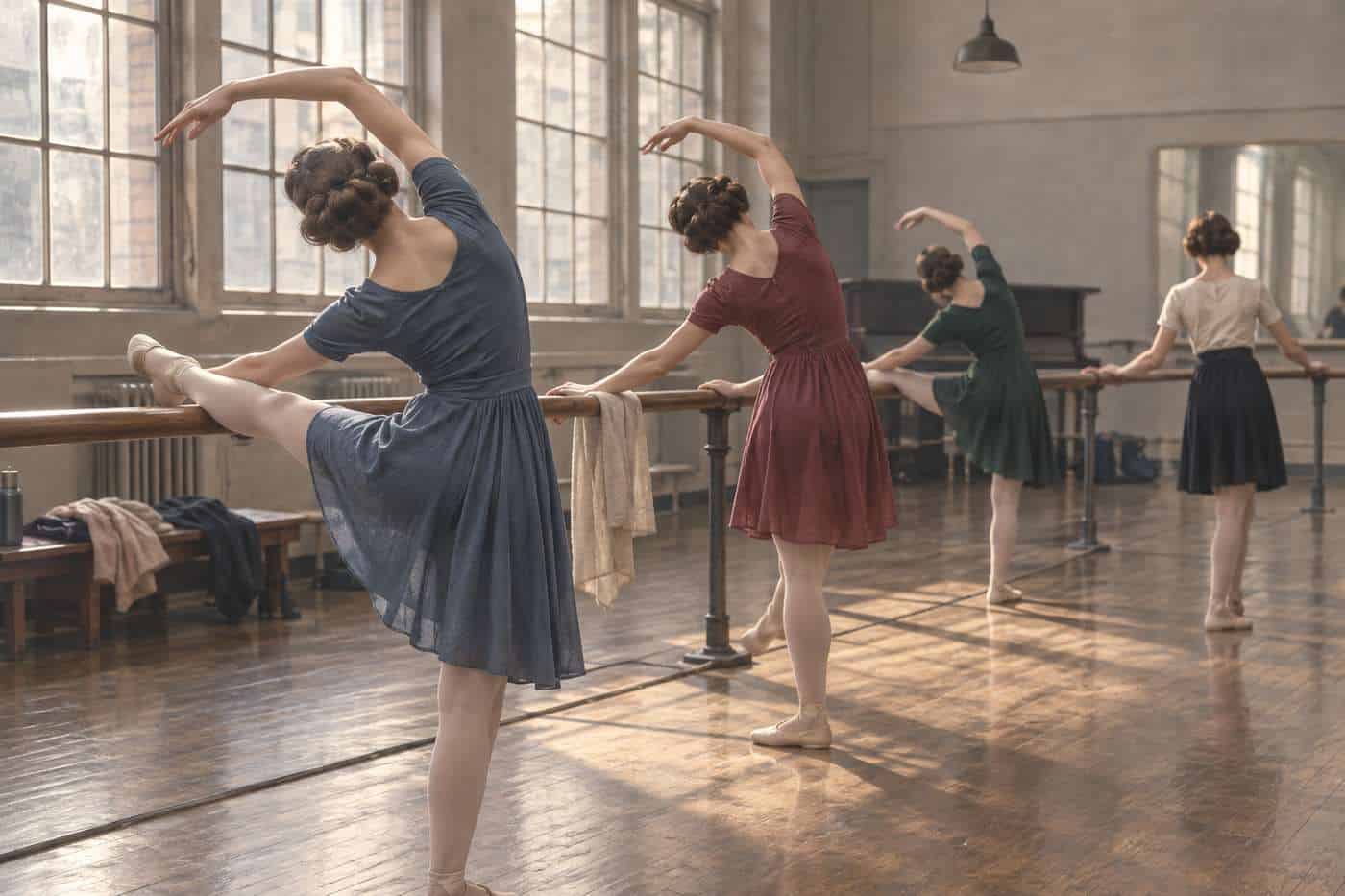
Cole’s influence spread mostly through people. Gwen Verdon worked for years as his assistant and teacher before becoming a Broadway star. Carol Haney, Matt Mattox, Buzz Miller and George Chakiris all danced with him. Through Verdon and others, his ideas reached Bob Fosse, whose own jazz style shows Cole’s isolations and sharp hands. Dance writers often trace a line from Cole through Fosse and Robbins to the jazz dance taught in studios worldwide today.
Cole died in Los Angeles on 17 February 1974. He has never been as famous as the stars he coached, partly because he worked behind the camera and partly because jazz dance was long treated as less serious than ballet or modern dance. The Irreplaceable Dance Treasures list corrected some of that.
Key takeaways
- Jack Cole (1911 to 1974) built theatrical jazz dance from modern dance, Indian classical dance, Afro-Caribbean movement and swing.
- He trained with Denishawn and with Humphrey-Weidman before forming his own nightclub group.
- Columbia Pictures kept his dancers on salary in a daily workshop, a rare arrangement in Hollywood.
- He choreographed Marilyn Monroe’s “Diamonds Are a Girl’s Best Friend” and staged Kismet on Broadway.
- Gwen Verdon was his assistant, and his style shaped Bob Fosse and modern jazz dance teaching.
Common questions
Why is Jack Cole called the father of jazz dance?
Because he turned a mix of social dance, Indian classical dance and modern technique into a trained theatrical style that Broadway and Hollywood adopted.
Did Jack Cole work with Marilyn Monroe?
Yes. He coached and choreographed her in several films, most famously “Diamonds Are a Girl’s Best Friend” in Gentlemen Prefer Blondes.
What is the link between Jack Cole and Bob Fosse?
Fosse was strongly influenced by Cole’s style, and Gwen Verdon, who became Fosse’s wife and muse, had trained and worked with Cole for years.
What Broadway shows did Jack Cole choreograph?
His best-known shows include Kismet (1953) and Man of La Mancha (1965), along with Jamaica and A Funny Thing Happened on the Way to the Forum.
Where did Jack Cole train?
At the Denishawn school of Ruth St. Denis and Ted Shawn, and with Doris Humphrey and Charles Weidman. He also studied Indian classical dance.
For other screen dance pioneers, read our profiles of Busby Berkeley and Eleanor Powell, or our overview of dance styles and history.
How we wrote this: This profile draws on Turner Classic Movies, Musicals101, Film Reference, a HuffPost profile and published scholarship on Cole. Film and show credits were checked against at least two sources. Last checked November 2026.