In short: Pearl Primus (1919 to 1994) was a Trinidad-born American dancer, choreographer and anthropologist. She made her name in 1943 with Strange Fruit, a solo about a lynching, and Hard Time Blues, about sharecroppers. She then studied dance in West Africa and the Caribbean and brought what she learned to American stages and classrooms, later earning a doctorate in anthropology. She was named one of America’s Irreplaceable Dance Treasures in 2000.
Pearl Primus believed that dance was a form of knowledge. To her, a dance from West Africa or Trinidad was not an exotic spectacle but a record of how a people lived, worked, prayed and mourned. She studied those dances as a scientist and performed them as an artist, and she used the same power of movement to protest racism in the United States.
This profile covers her early life, her first concerts, her research and her teaching. She sits on the list of America’s Irreplaceable Dance Treasures alongside Katherine Dunham, the other great pioneer of what is often called anthropological dance.
Early life
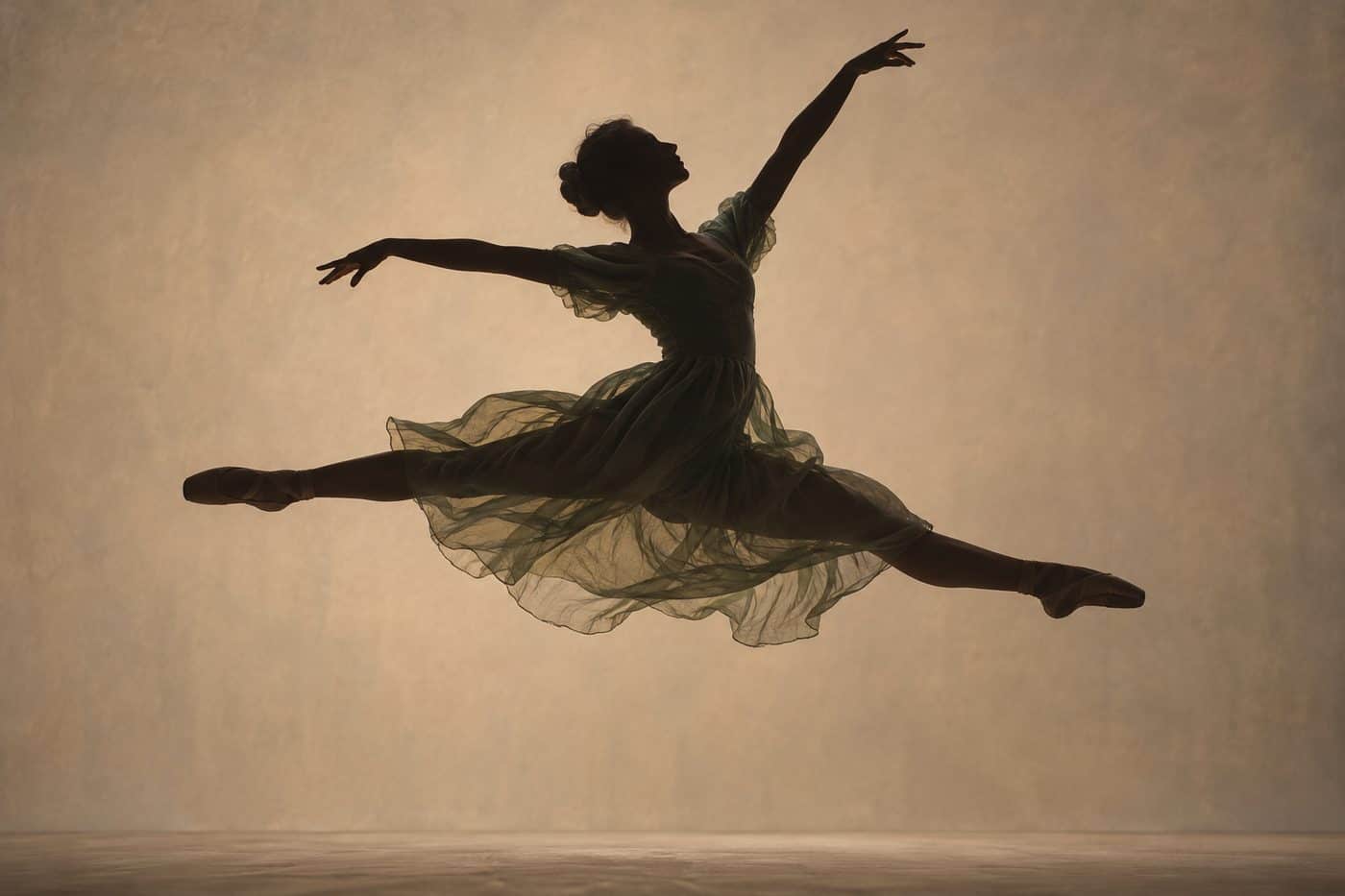
Primus was born in Port of Spain, Trinidad, on 29 November 1919, and moved with her family to New York City as a small child. She was a strong athlete at school and studied biology and pre-medical sciences at Hunter College, graduating in 1940. She wanted to work in medical research, but she found laboratory jobs closed to a young Black woman.
Through a government youth job programme she ended up backstage, and then on stage, in a dance production. In 1941 she won a scholarship to the New Dance Group, a left-wing New York studio that saw dance as a way to talk about social issues. She was a fast learner and a striking performer, small but with an enormous jump.
The 1943 debut and Strange Fruit
On 14 February 1943 Primus gave her first professional concert at the 92nd Street YMHA in New York. Her programme included African Ceremonial, built from library research into West African dance; Hard Time Blues, about Southern sharecroppers; and Strange Fruit.
Strange Fruit used Lewis Allan’s poem about a lynching, the text Billie Holiday had made famous as a song. Primus did not use the music. She danced to the spoken words and to silence. And she made a bold choice: she danced the part of a white woman in the crowd who has just watched the lynching and is overwhelmed by horror and guilt. The New York Public Library notes that this abstract modern dance in the character of a white onlooker was part of what made the work so radical.
Cafe Society and Broadway
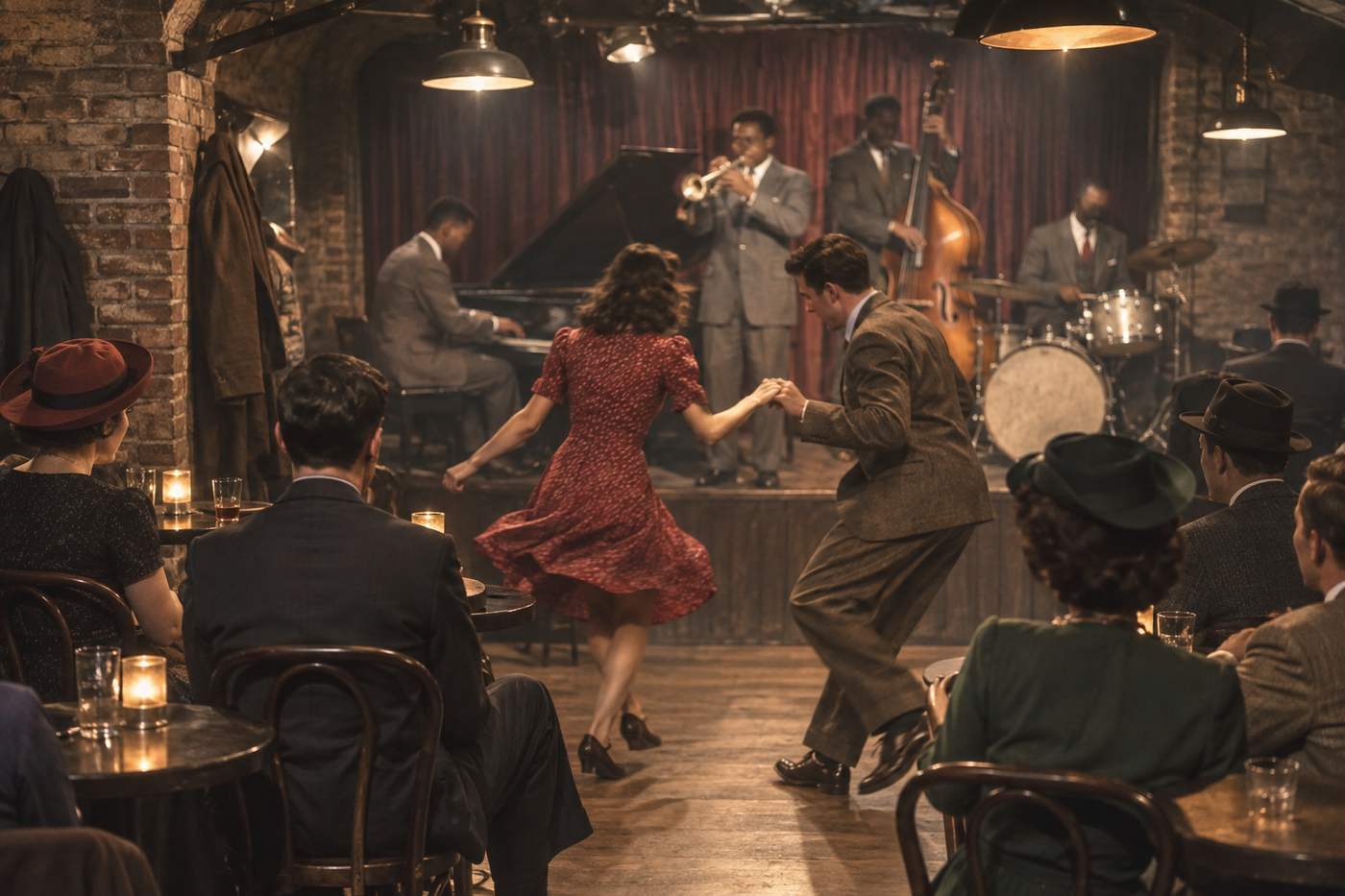
Weeks later Primus began a ten-month engagement at Cafe Society Downtown, Barney Josephson’s racially integrated jazz club in Greenwich Village. Audiences there included artists such as Paul Robeson and Marian Anderson. She danced to Hughes’s poem “The Negro Speaks of Rivers” and created Jim Crow Train, about segregated travel.
The critic Edwin Denby wrote three admiring reviews in the New York Herald Tribune over six months, marvelling at the height of her jumps and the intelligence of her choreography. In 1944 she gave a solo concert on Broadway, and in 1946 she danced in a revival of Show Boat.
Research in Africa and the Caribbean
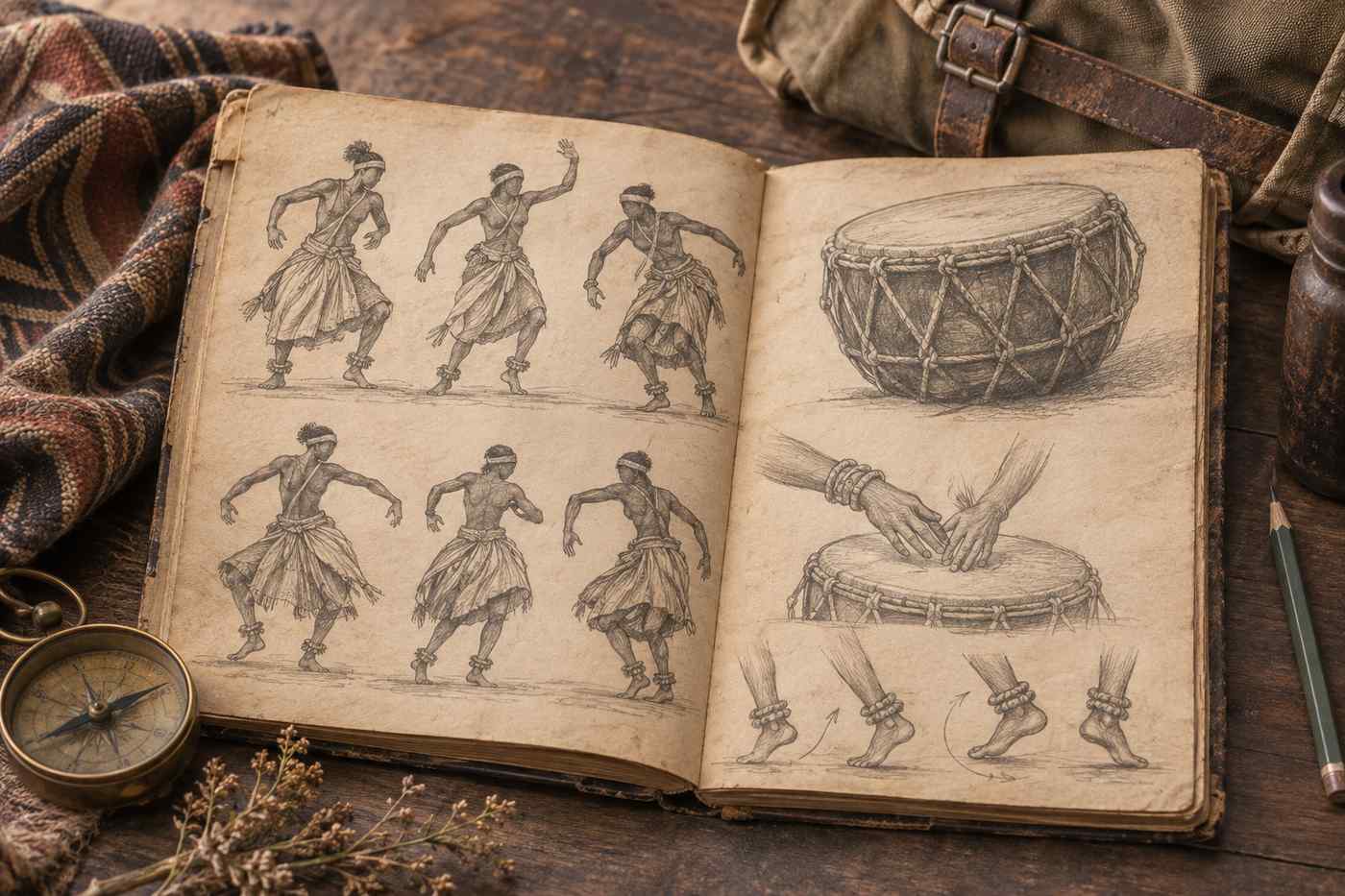
In 1948 a Rosenwald Fellowship let Primus travel to West Africa, where she spent about eighteen months studying dance in several countries, including the Gold Coast (now Ghana), Nigeria and Liberia. In Nigeria she was given the name Omowale, often translated as “the child who has returned home”. She also studied in Trinidad, where she met the dancer and drummer Percival Borde, who became her husband and long-time artistic partner.
Her research changed her work. Rather than reconstructing African dances from books, she now drew on direct study of dancers, drummers and ceremonies. She was careful to present these dances as complex art forms with their own rules, not as “primitive” material. That was an important argument in an era when many American audiences saw African dance through stereotypes.
Scholar and teacher
Primus continued her academic work while performing and teaching. In 1959 she went to Liberia to help set up a performing arts centre. She later completed a PhD in anthropology at New York University in 1978, at a time when few dancers held doctorates. From 1984 to 1990 she taught as a professor of ethnic studies and artist-in-residence at the Five College Consortium in Massachusetts.
She and Borde ran a school and company in New York, and she taught generations of students, including many who went on to lead their own companies. For her, teaching a dance meant teaching its context: who performed it, when, why and what it meant. She received the National Medal of Arts in 1991 and died on 29 October 1994.

Why her work matters
Primus did three things that shaped American dance. She showed that modern dance could address racism directly and powerfully. She helped bring African and Caribbean dance into American concert halls and colleges as serious art. And she modelled a way of working in which research and performance feed each other. Her papers and films are preserved at the American Dance Festival archives at Duke University, which describes her as a dancer, choreographer, anthropologist and teacher.
For the broader story of how dance forms crossed between Africa, the Caribbean and America, see our overview of dance styles and history. For another artist who reshaped American dance with a distinctive technique, read our profile of Jack Cole.
Key takeaways
- Pearl Primus (1919 to 1994) was a Trinidad-born American dancer, choreographer and anthropologist.
- Her 1943 solos Strange Fruit and Hard Time Blues made modern dance a voice of protest.
- She studied dance in West Africa and the Caribbean and presented it as complex art, not spectacle.
- She earned a PhD in anthropology from New York University and taught for decades.
- She was named one of America’s Irreplaceable Dance Treasures in 2000.
Common questions
What is Pearl Primus best known for?
Her 1943 solo Strange Fruit, about a lynching, and her work bringing African and Caribbean dance to American audiences.
Did Pearl Primus dance to Billie Holiday’s song?
No. She used Lewis Allan’s poem as a spoken text, without the music.
Was Pearl Primus an anthropologist?
Yes. She did field research in West Africa and the Caribbean and earned a doctorate in anthropology from New York University in 1978.
What was the connection between Pearl Primus and Katherine Dunham?
Both were Black women who combined anthropology and choreography and brought African diaspora dance into American concert dance. Both are on the list of America’s Irreplaceable Dance Treasures.
Where are Pearl Primus’s papers?
A large collection of her papers, photographs and films is held by the American Dance Festival archives at Duke University.
How we wrote this: This profile draws on the New York Public Library, Los Angeles Times obituary and review coverage from 1994, EBSCO Research Starters, Village Preservation and the Duke University archive record. Last checked November 2026.